What We Are Doing to Protect Freshwater
In many locations on Earth humans and our way of living on the planet are placing unsustainable demands on the supply of freshwater. National Geographic’s World Freshwater Initiative focuses on freshwater availability, quality, and sustainability by leveraging the development of a one-of-a-kind geovisualization of the world’s freshwater availability.
Over the next five years, WFI will fund National Geographic Explorers working in freshwater science, conservation, education and storytelling.
Explore the World Water Map
Follow the world’s water through National Geographic Society’s interactive map.
A Closer Look
World Water Map
Understanding freshwater is critical for life on Earth and is an integral part of the National Geographic Society’s mission. Our World Water Map — part of the newly launched World Freshwater Initiative (WFI) — accounts for every drop of water in the world — and where it’s going. Experience this map with real-life stories about freshwater challenges and solutions told by National Geographic Explorers who are working to illuminate and protect the wonder of our world.
World Water Map Resources
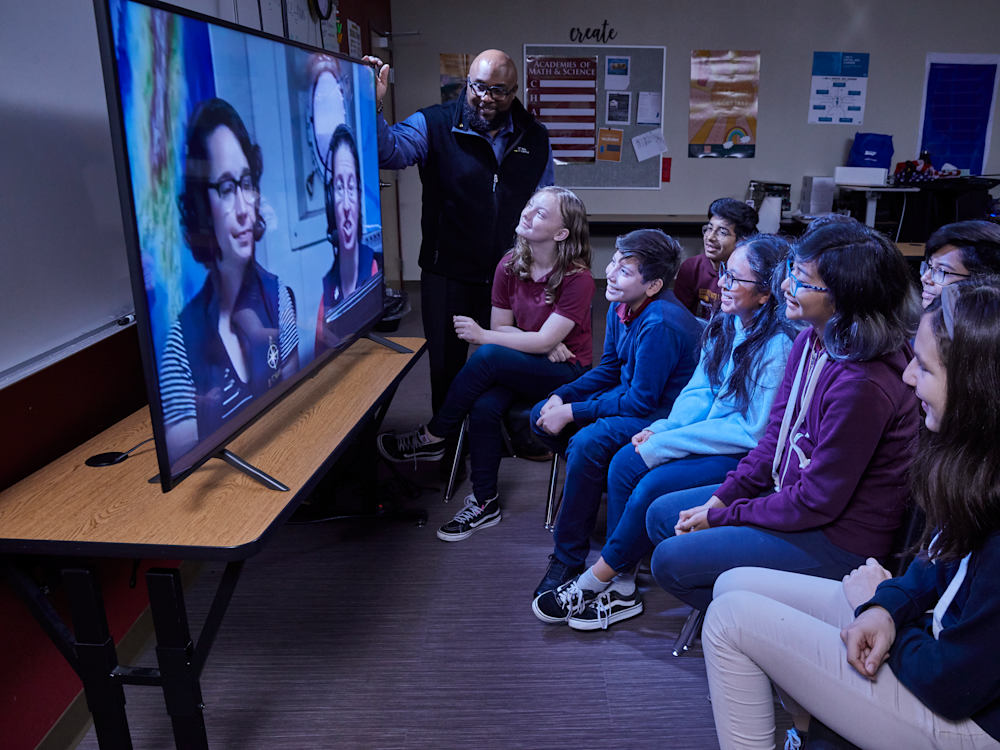
Dive deeper into World Water Map with education and research resources.

Every Donation Goes Directly to Our Explorers and Programs.
For 135 years, the National Geographic Society has funded intrepid and passionate individuals dedicated to pushing the boundaries of scientific discovery and illuminating our world. The Society not only supports Explorers through funding, but also through professional development, training, leadership and speaking opportunities, community building and connections.
Freshwater Conservation Grantees
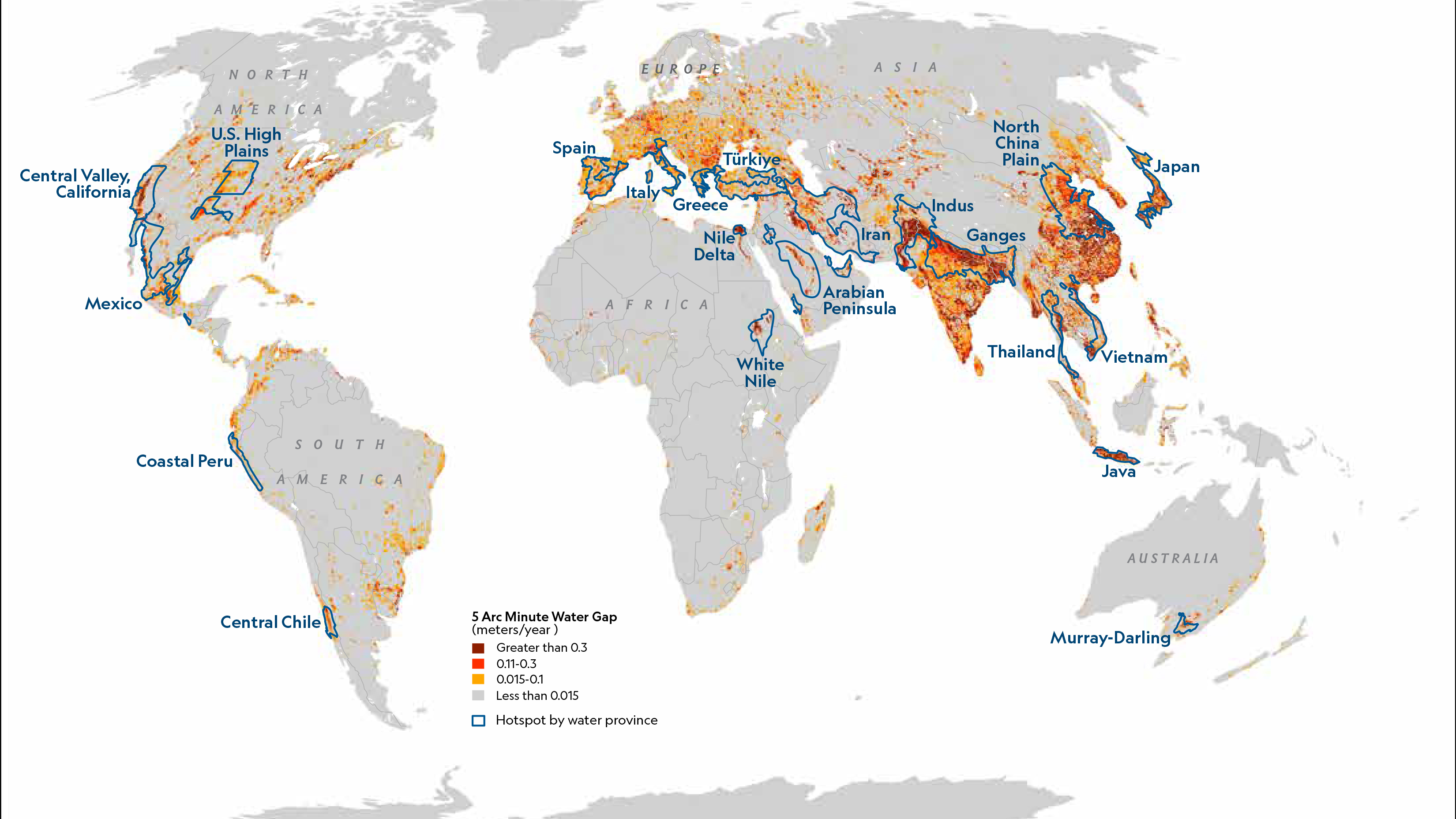
In September 2024, the National Geographic Society announced four new Explorers supported through its World Freshwater Initiative. These Explorers will collaborate with local communities on freshwater conservation solutions in water gap “hotspots,” where demand exceeds supply. Their work will span four countries.
Featured Programs
Explorer-Led Programs Protecting Freshwater
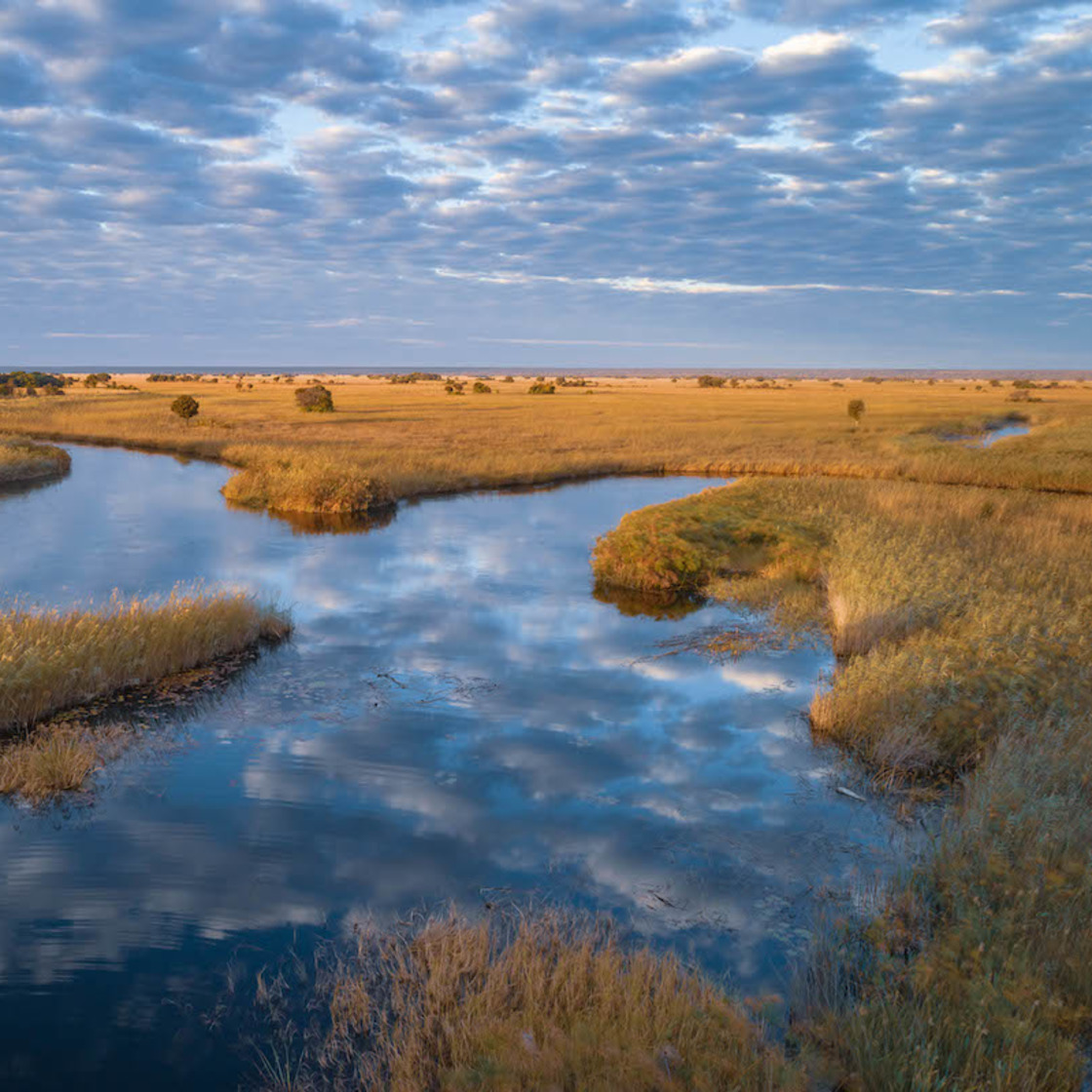
Okavango Wilderness Project
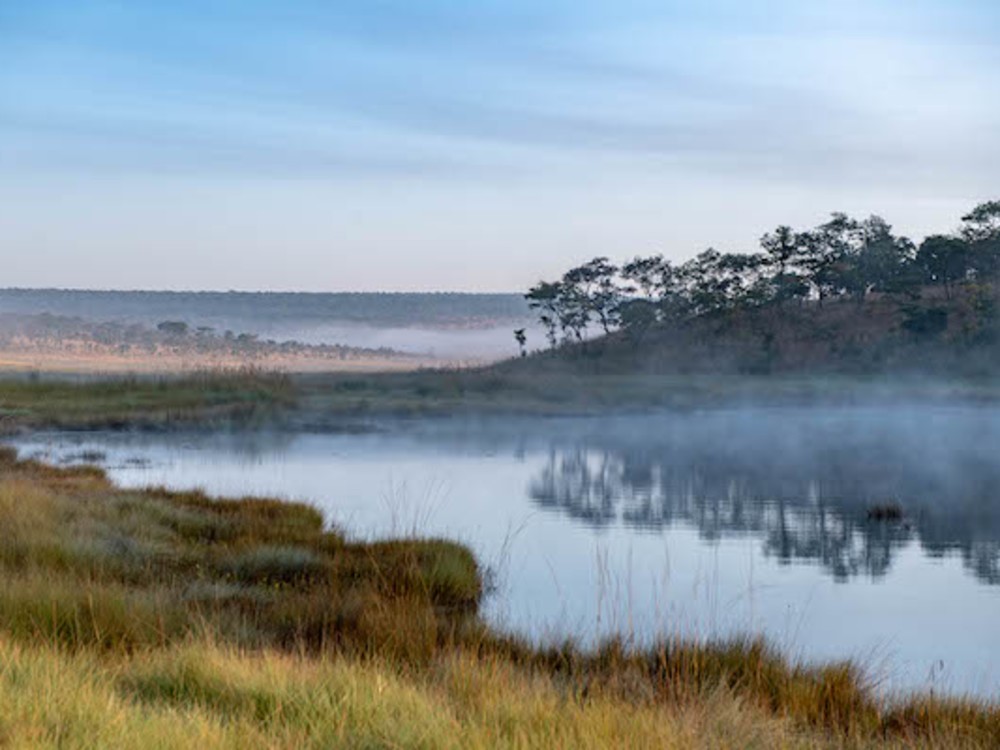
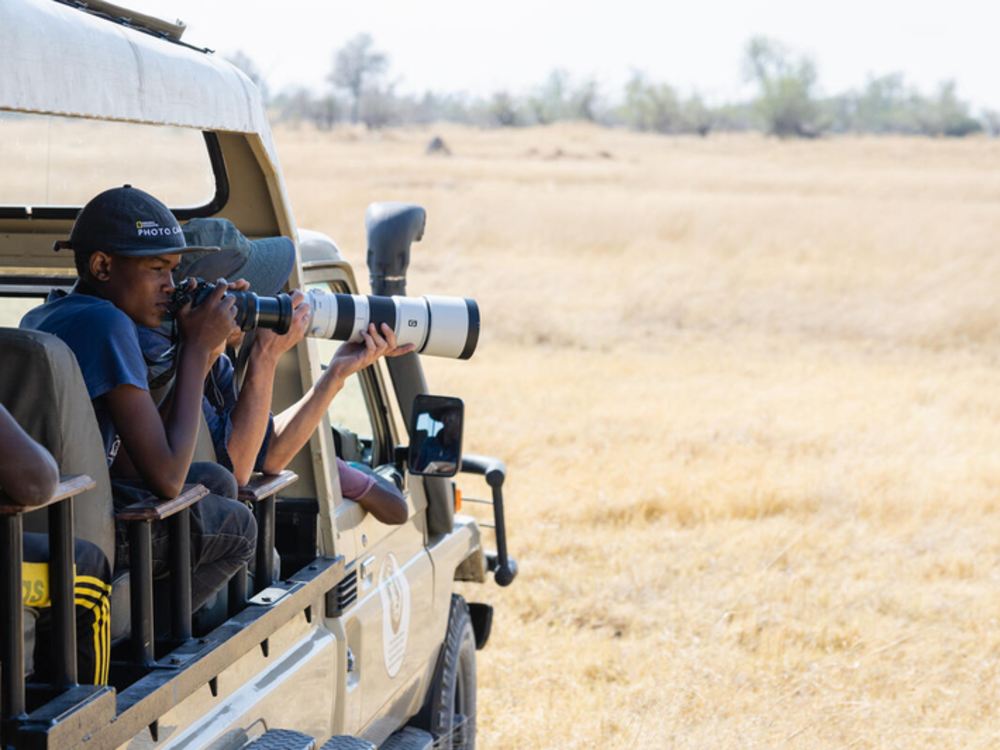
The Okavango Basin provides water for a million people and is one of the most biodiverse places in Africa. Since 2015, the National Geographic Okavango Wilderness Project has collaborated with local communities, NGOs and governments to protect the Okavango Basin.
Perpetual Planet Expeditions
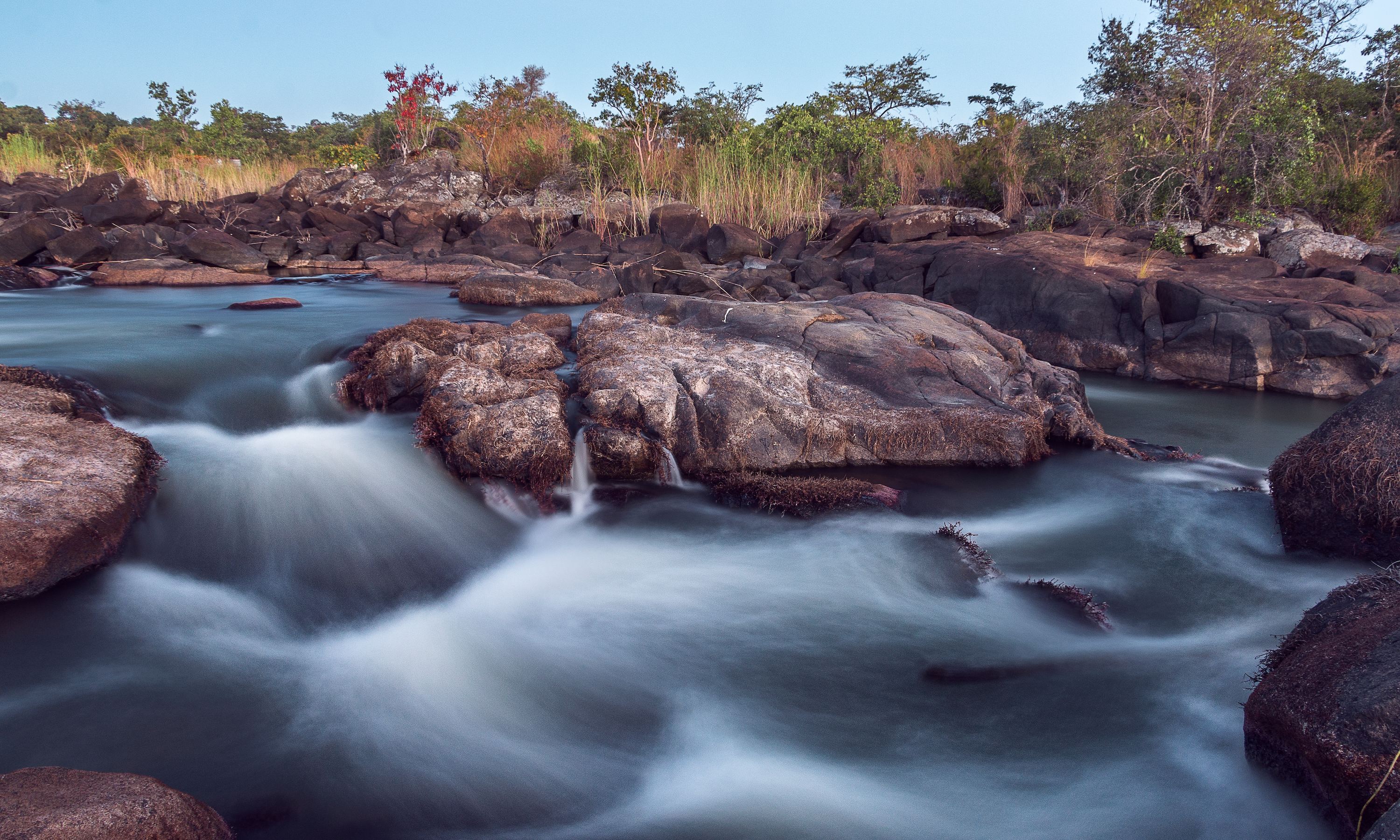
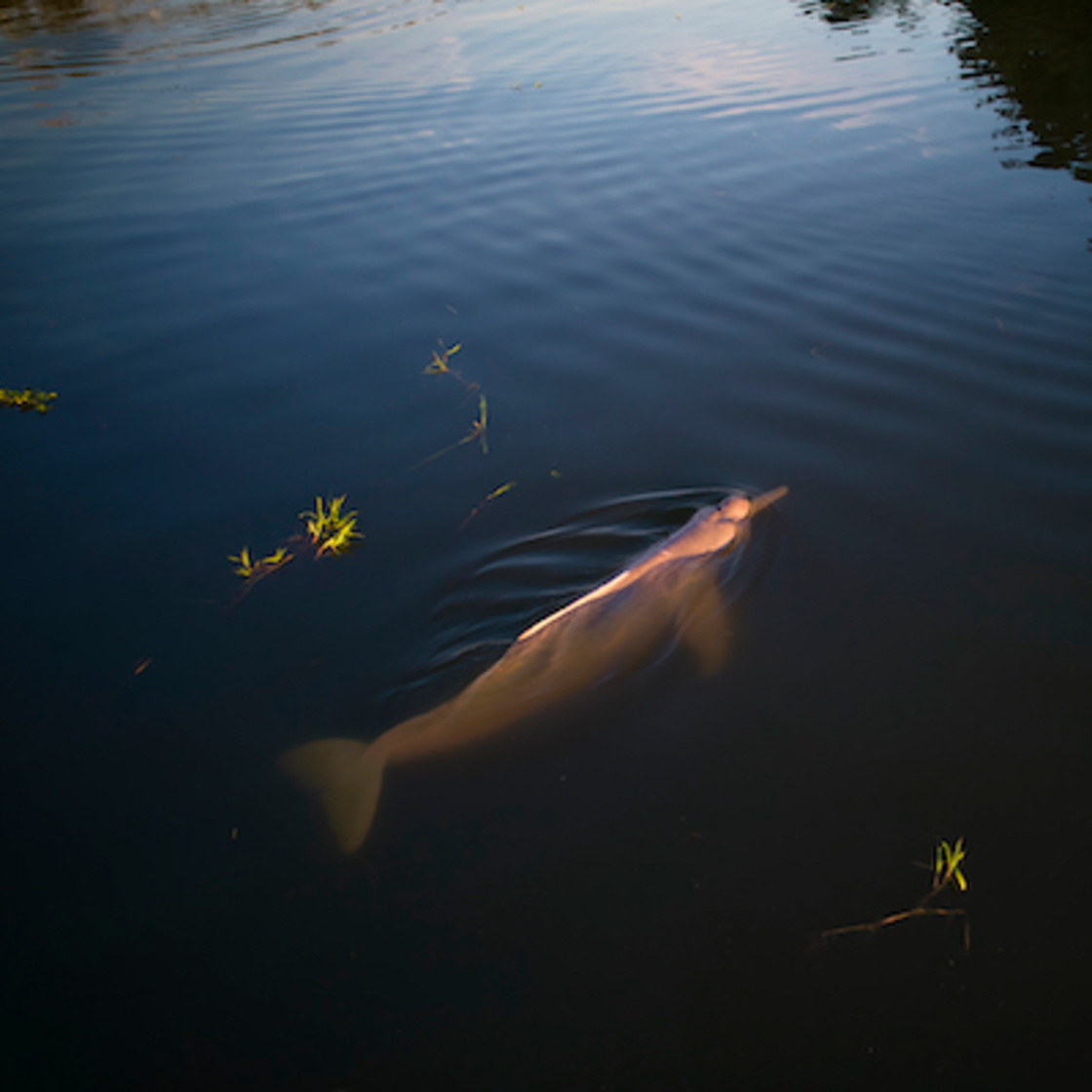
The National Geographic Society and Rolex launched the Perpetual Planet Amazon Expedition — a multi-year science and storytelling exploration of the Amazon spanning the Andes to the Atlantic to tell the story of the water and the wildlife, plants and people who depend on it.
Meet the Explorers Making an Impact
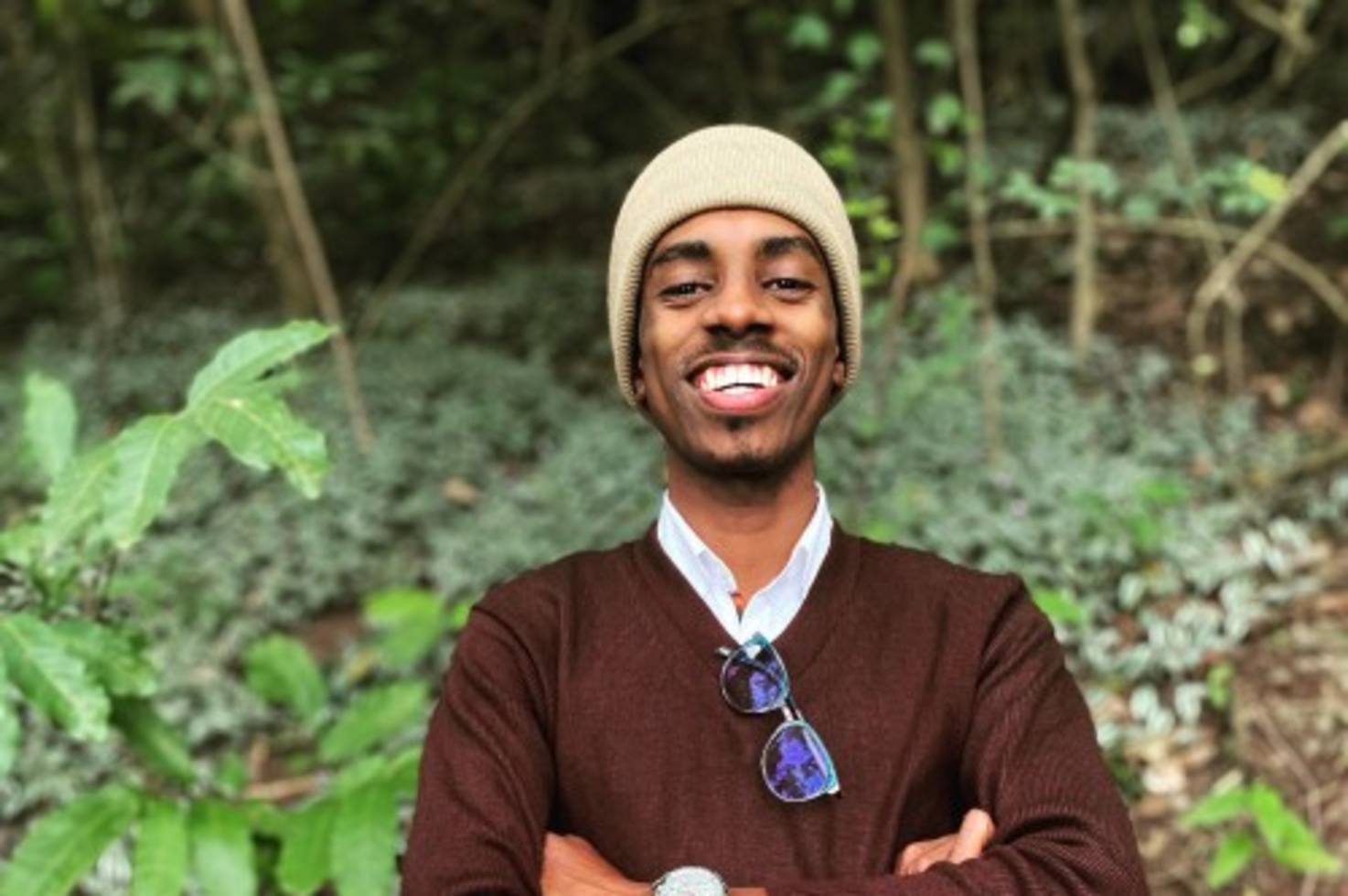
Ghaamid Abdulbasat
Ecohydrologist
Abdulbasat co-chairs the International Union for Conservation of Nature's World Commission on Protected Areas Freshwater youth sub-group, working on influencing policy on the future of water.
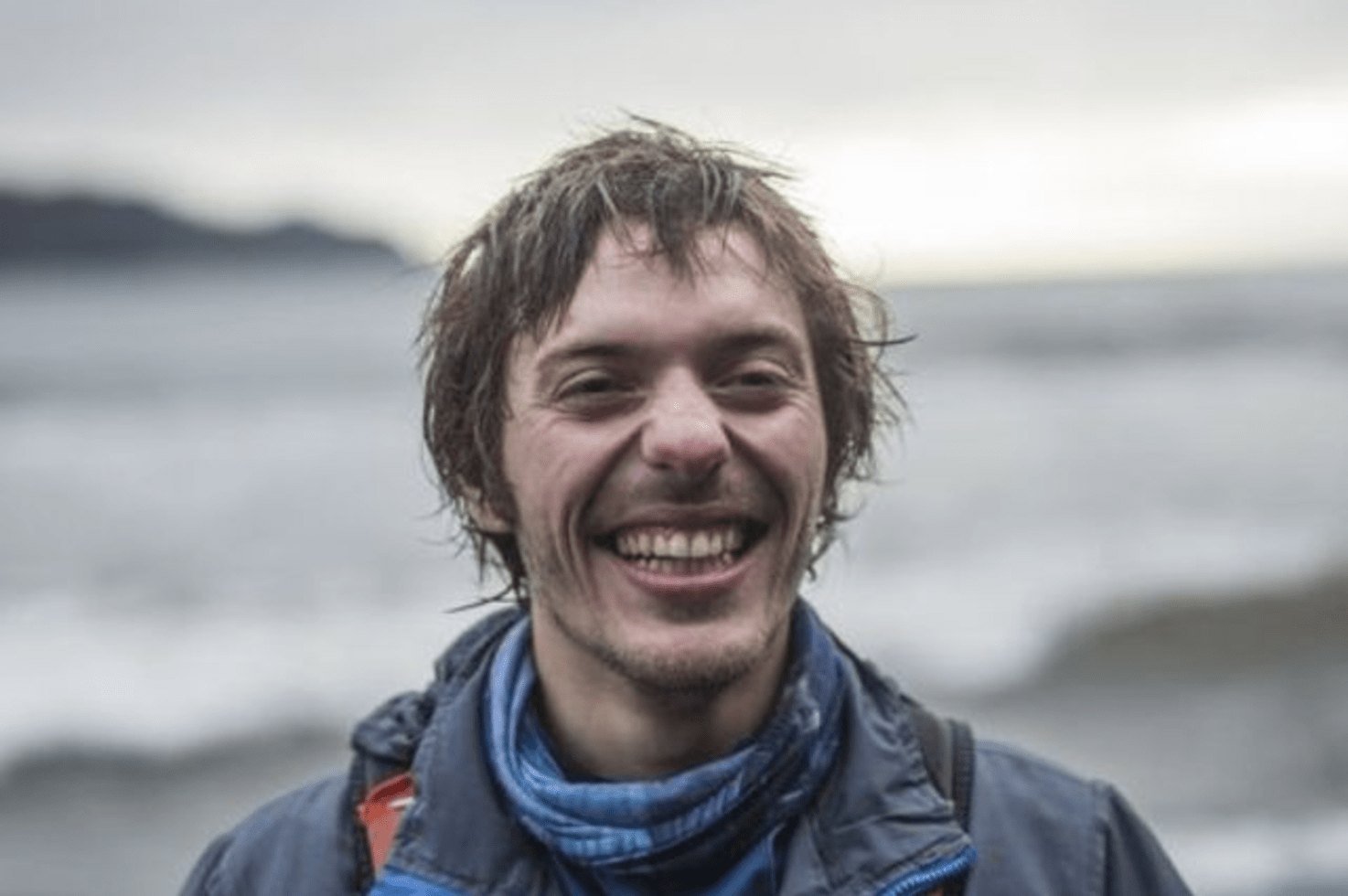
Jens Stefan Benöhr
Anthropologist
Benöhr’s specializes in the ecological interactions between human populations and bodies of water.
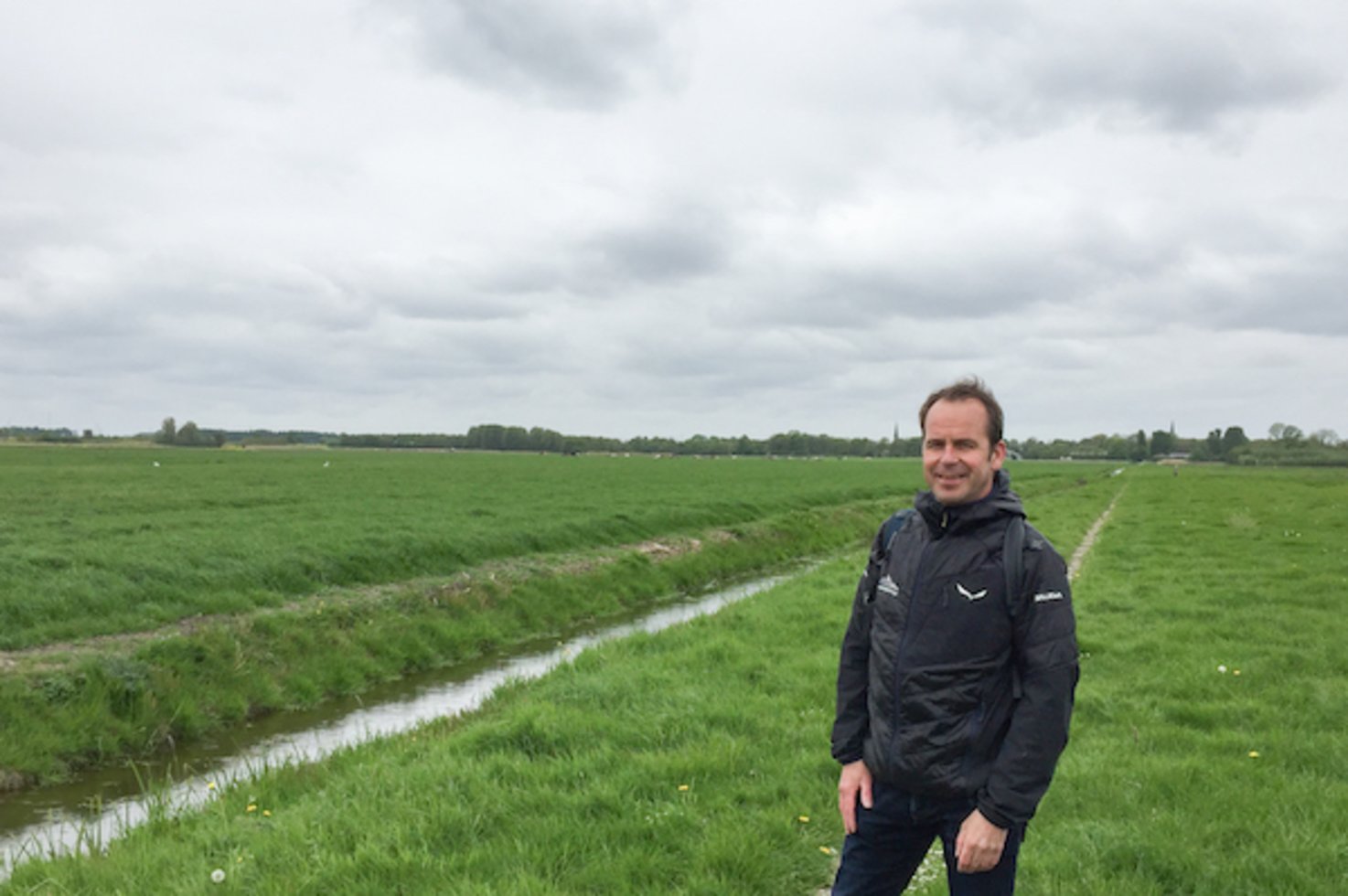
Marc Bierkins
Geographer
Bierkens is a fellow of the American Geophysical Union, a member of the European Geosciences Union and the International Association of Hydrological Sciences and is editor for Water Resources Research.
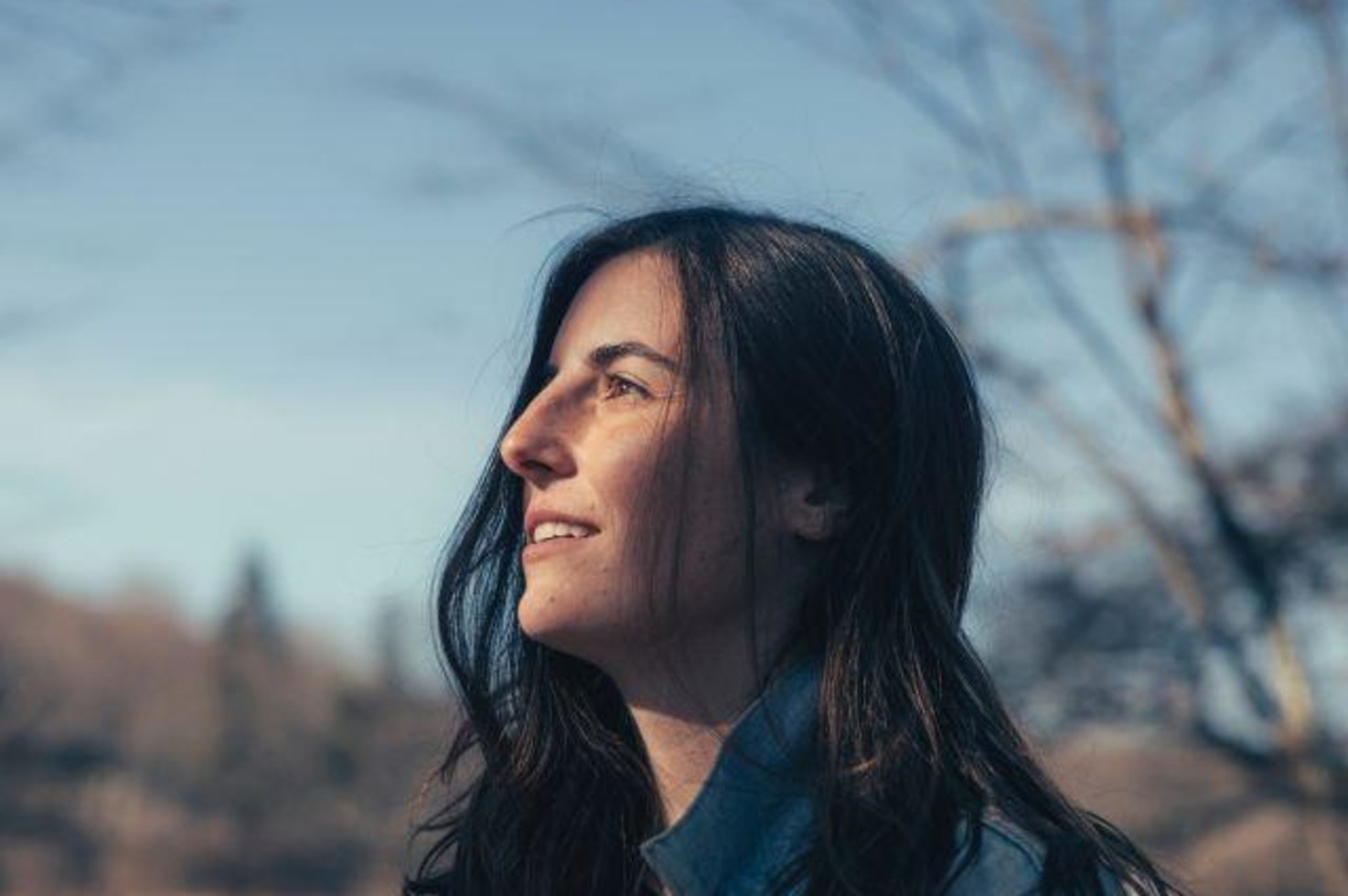
Caitlin Ochs
Storyteller
Ochs is a New York-based visual storyteller focused on documenting the impacts of climate change through the lens of water. Her current work as a National Geographic Explorer investigates southwestern farmers on the front lines of climate change.
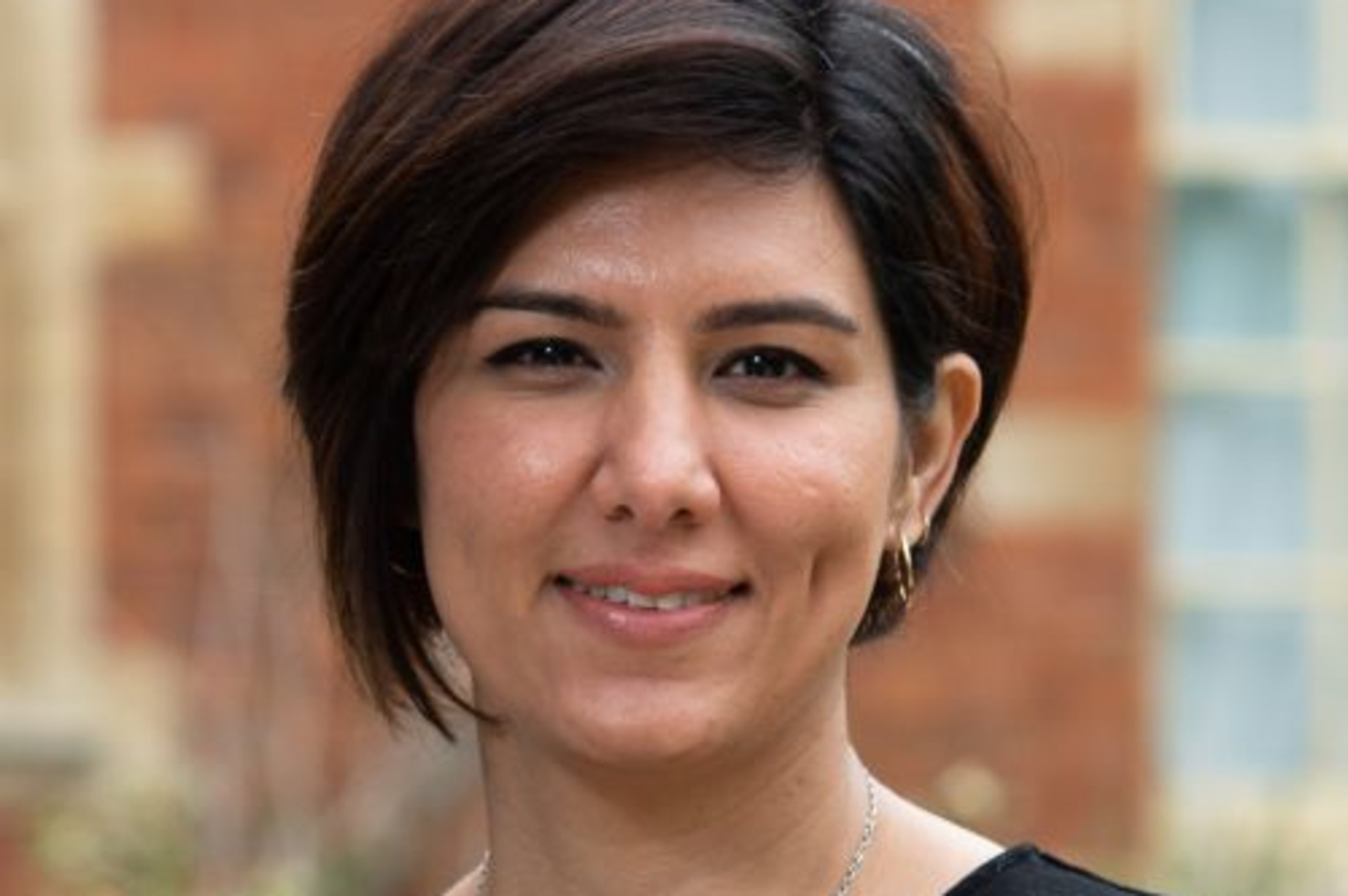
Safa Fanaian
Researcher
Fanaian’s Ph.D. research focuses on the evolution of water-related risks and its governance for riverine cities in the global south, specifically intermediate and growing cities with populations over one million.

Garvita Gulhati
Social Entrepreneur
Gulhati, known as "India's Water Girl," began her journey as a changemaker at the age of 13. She founded “Why Waste?,” India’s largest youth-led organization working towards the conservation of water.
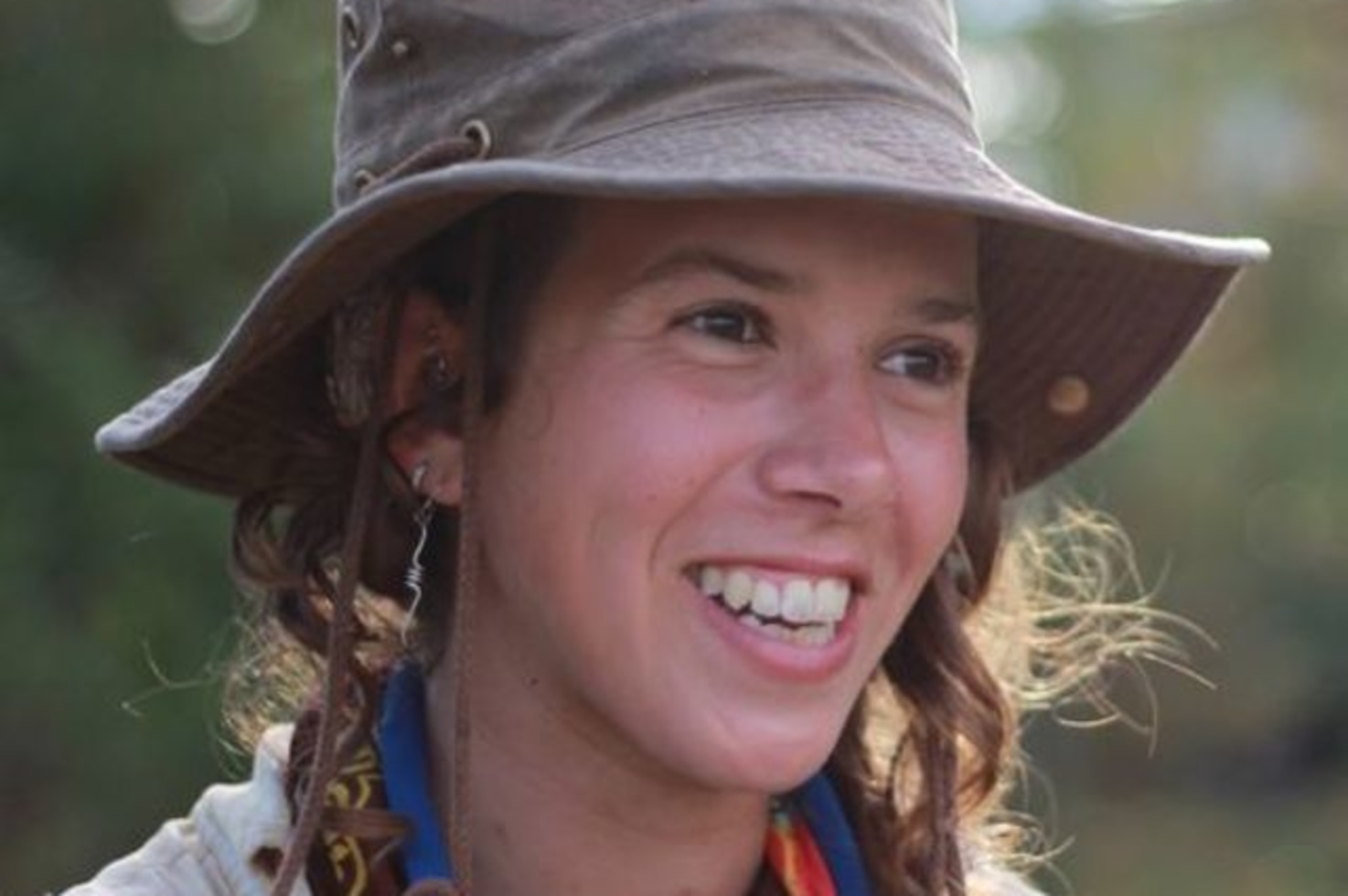
Dalal Emily Lucia Hanna
Ecologist
Hanna’s research primarily focuses on improving understanding of the effects of forestry on freshwaters. She aims to use her research findings to inform freshwater conservation policy. She is also co-founder and director of Riparia, a Canadian charity that works to create better connections between young women and science on the water.
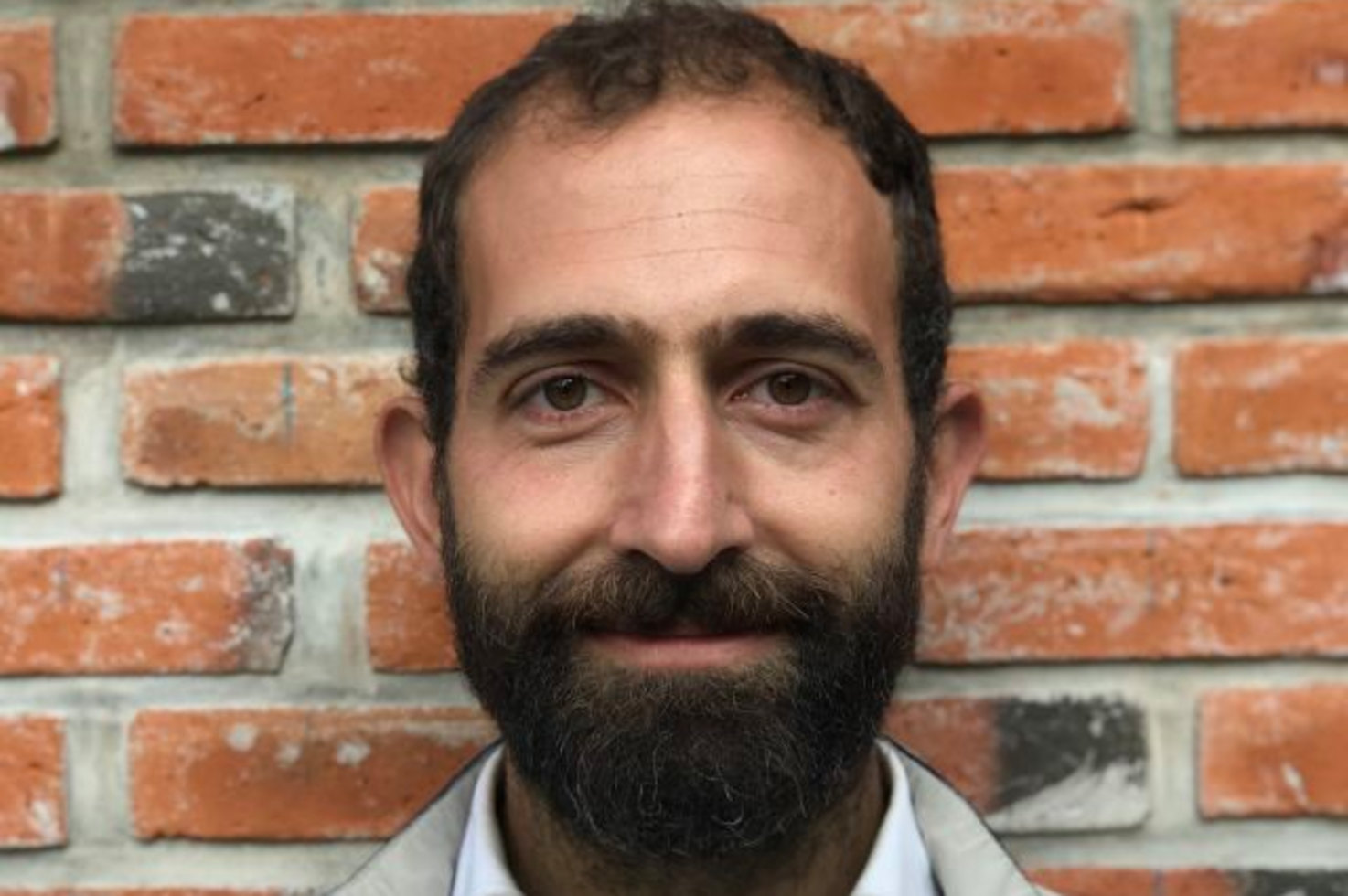
Enrique Lomnitz
Conservationist
Lomnitz is an industrial designer focused on water access and sustainability. He works on the development of decentralized, autonomous water infrastructure for communities facing high levels of water insecurity in both urban and rural Mexico.
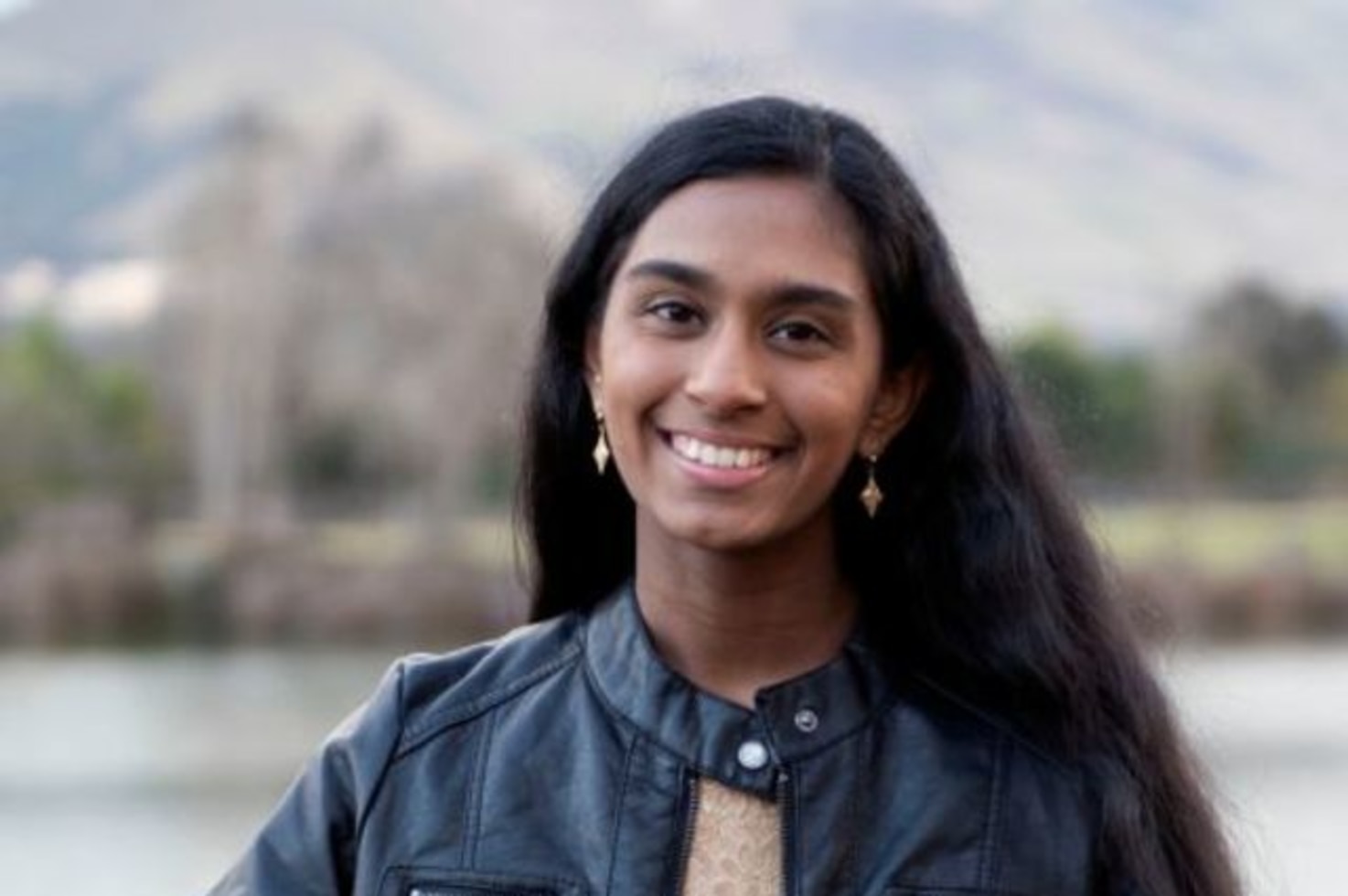
Shreya Ramachandran
Researcher
Ramachandran is the founder of the nonprofit organization The Grey Water Project which promotes the safe reuse of greywater (lightly used water that makes up 60% of the used water in our homes) and water conservation as a way to battle droughts and climate change.
More Ways to Get Involved