The Place
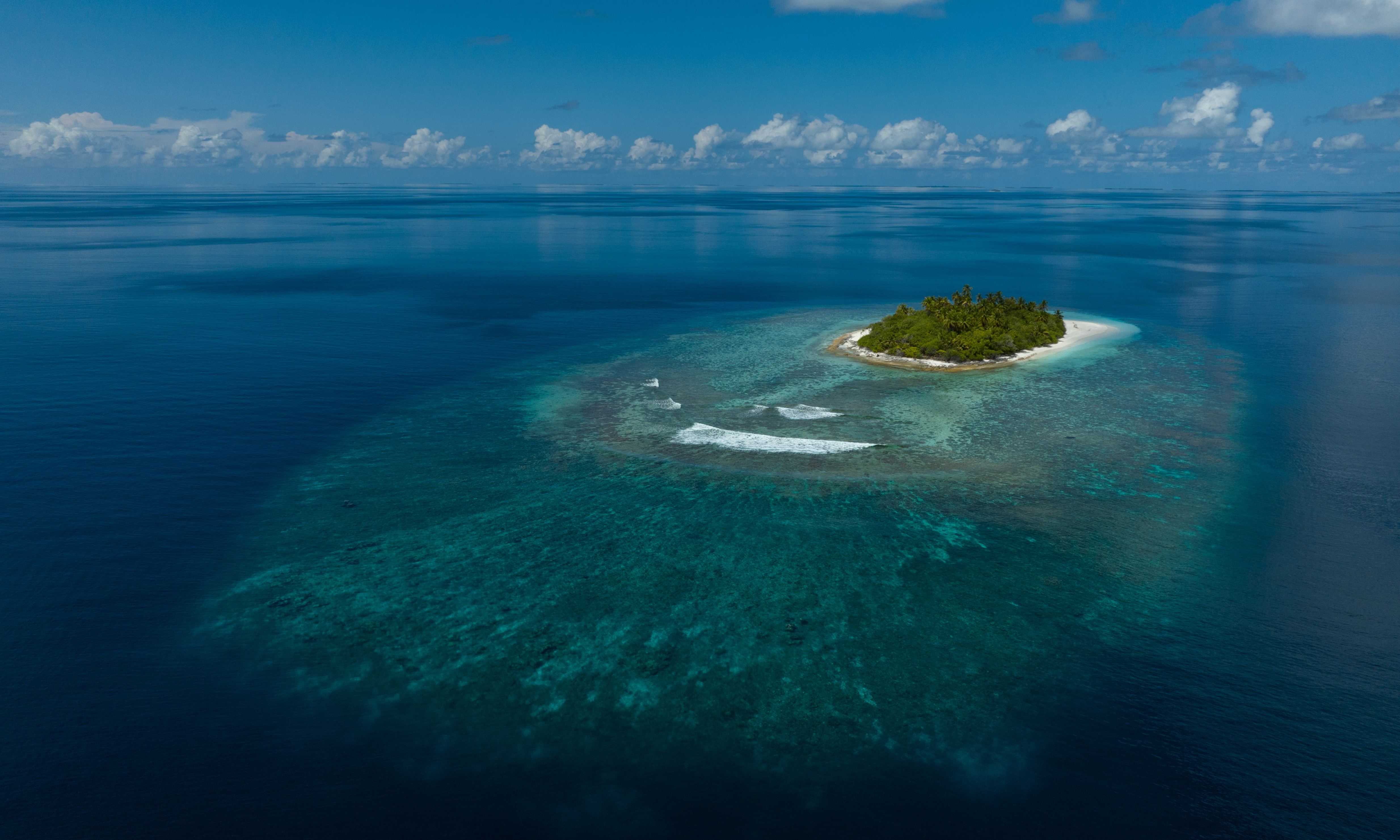
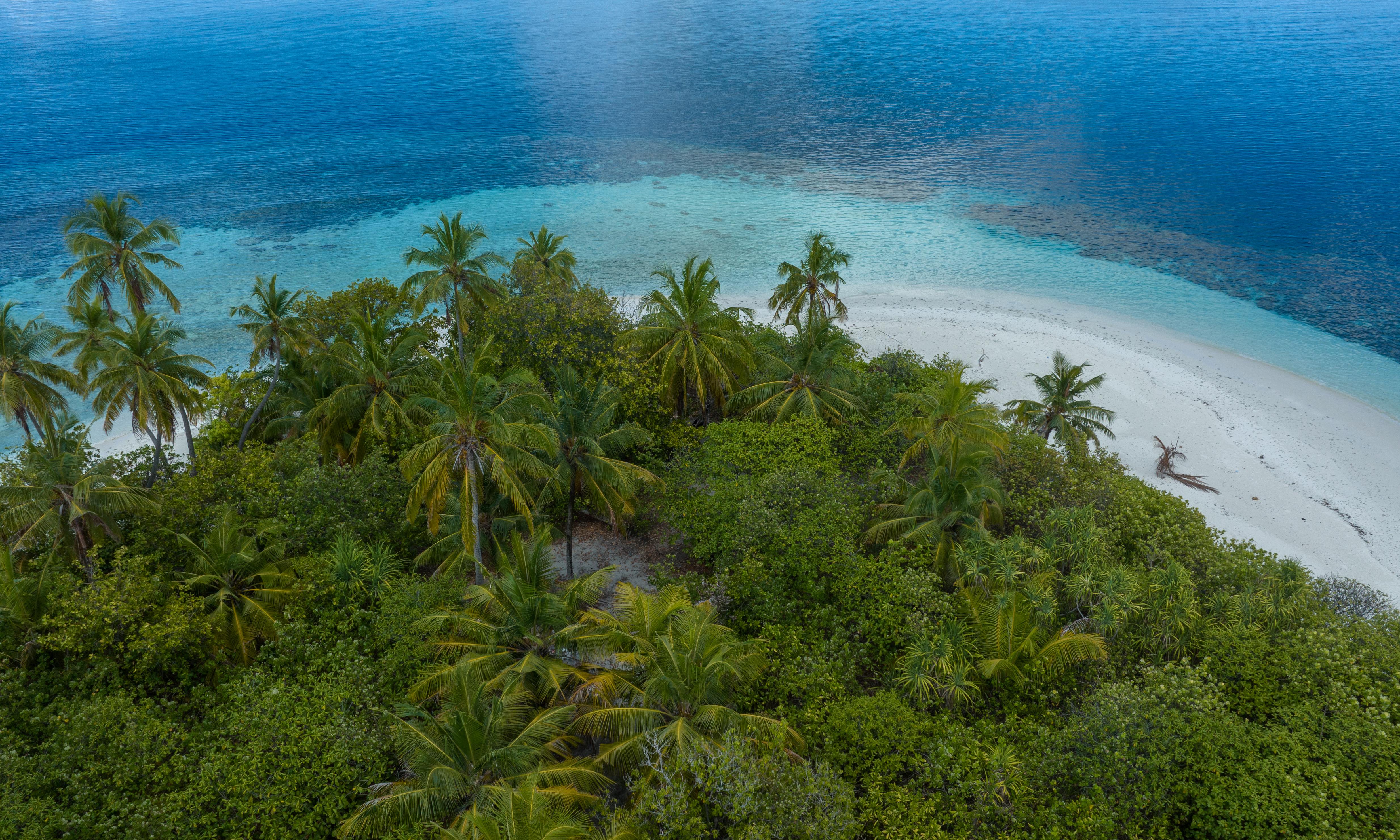
Situated in the Indian Ocean, the Republic of Maldives is an independent island nation renowned for their clear emerald waters and unique biodiversity across 1,190 coral islands.
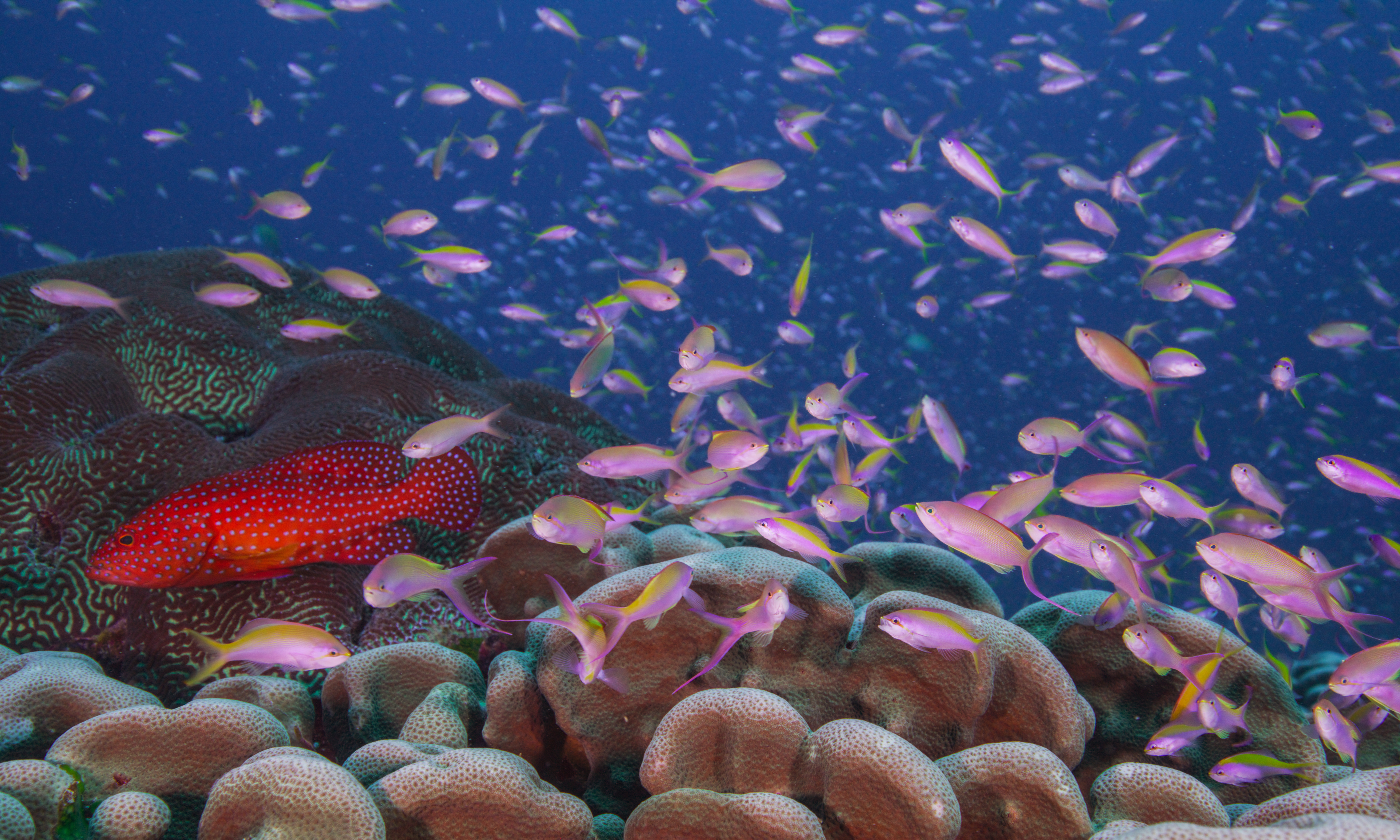
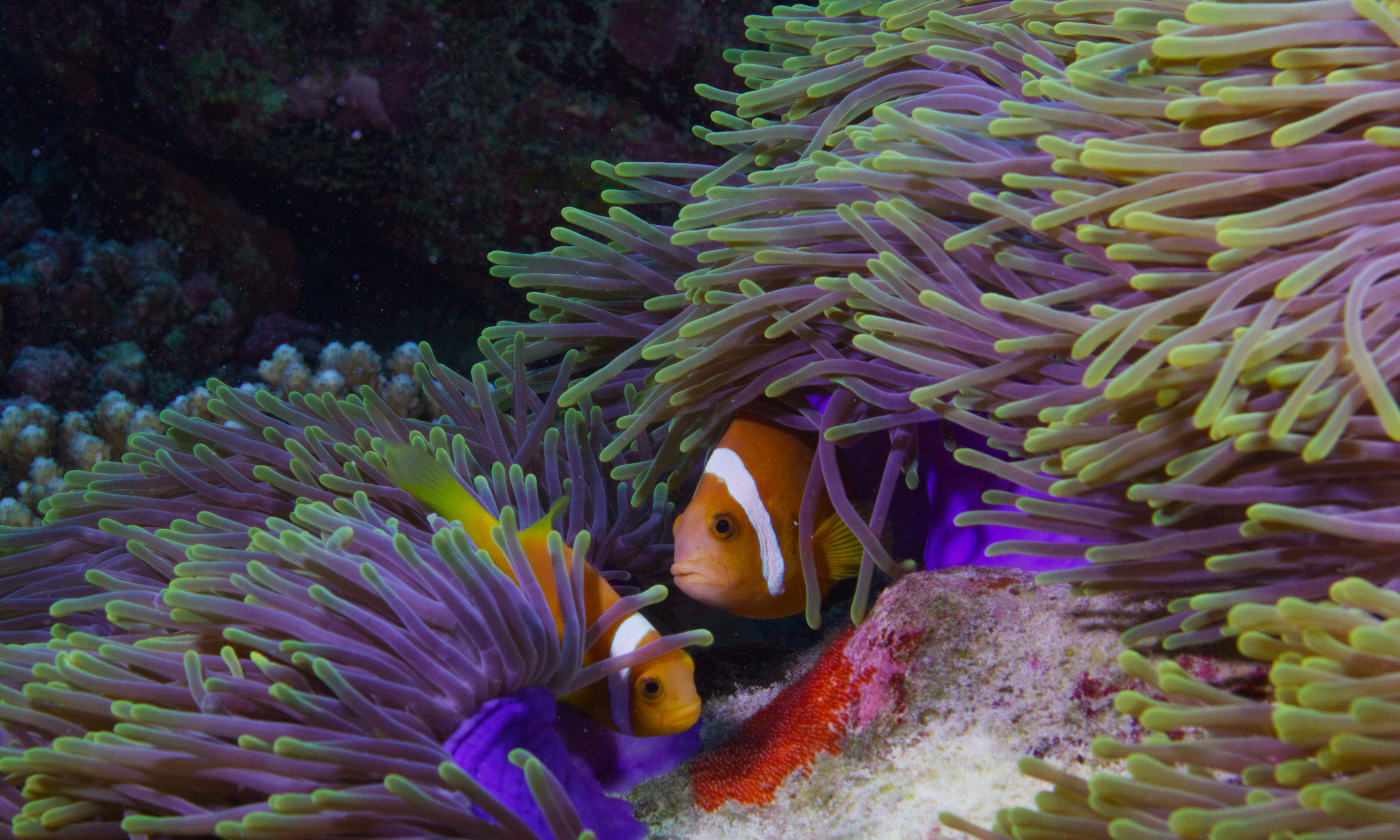
These islands are home to an abundance of charismatic marine life, with common sightings of manta rays, common dolphins, loggerhead and hawksbill turtles, sunfish, whale sharks and more.
However, the Maldives’ natural resources are increasingly vulnerable to global warming impacts such as sea-level rise, erosion and coral bleaching. These impacts cause damage not just to the fragile ecosystems that make up the Maldives’ many islands — including offshore habitats which hold some of the highest levels of biodiversity on the planet — but also to the local community and economy, both of which rely heavily on tourism and fishing. The loss of coastal habitats due to overfishing and marine pollution are a serious threat to the country’s resources. The designation of strategically planned marine protected areas is critical to protect biodiversity, contribute to more abundant seafood and provide nature-based solutions to help fight climate change and generate economic benefits.
The Mission
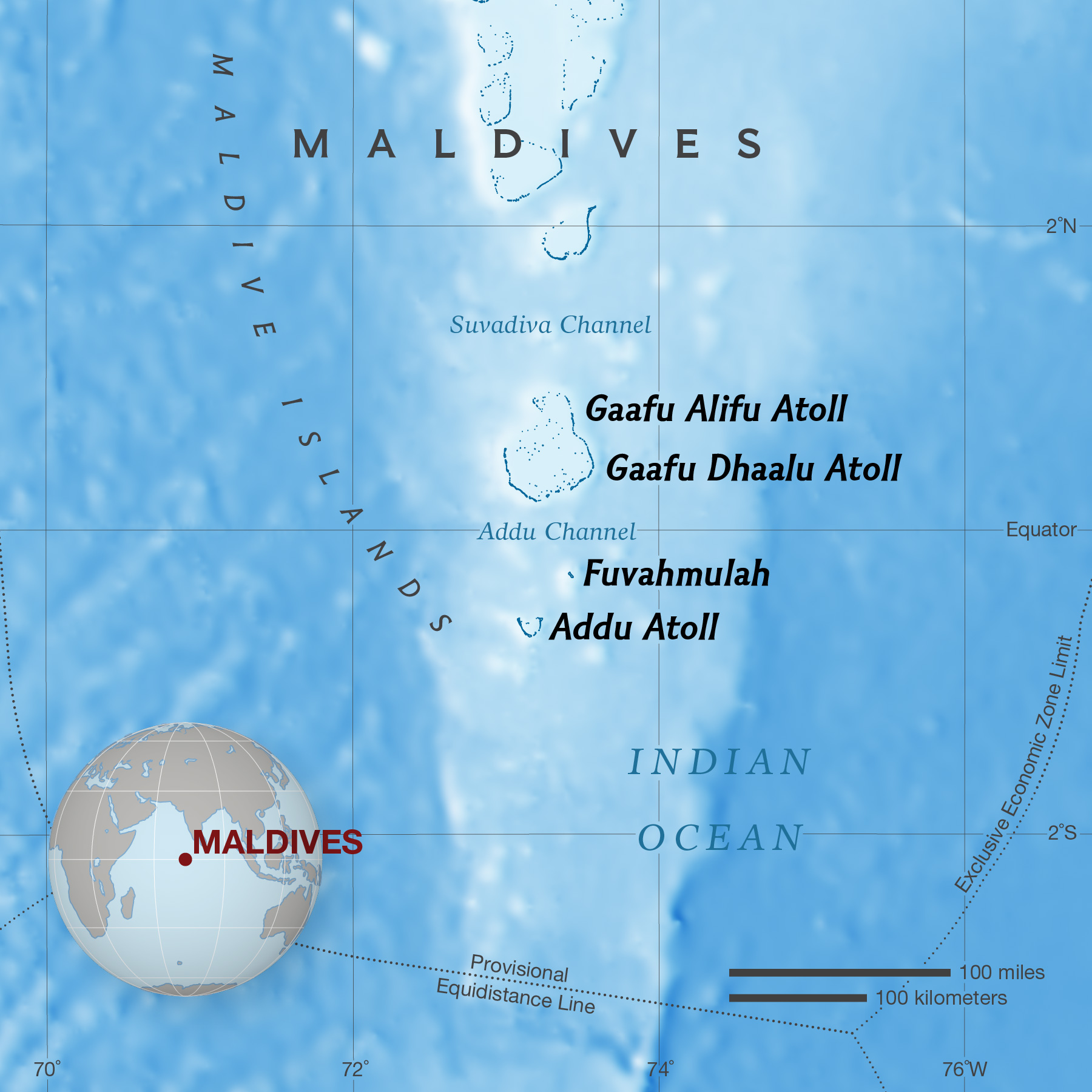
From late February to mid-March of 2023, the team traveled to the remote southern atolls of the Maldives — Huvadhu (Gaafu Alifu and Gaafu Dhaalu), Fuvahmulah and Addu Atoll — to support the work of Noo Raajje, a partnership between the Government of the Maldives and the Waitt Institute’s Blue Prosperity Coalition. The expedition aimed to fill key knowledge gaps and inform the government’s ongoing marine spatial planning process and long-term protection goals. The results from all three expeditions emphasize the need to maintain strong protections around the Southern Line Islands: The high capacity for recovery demonstrated by these coral reef ecosystems highlights the importance of marine management that aims to preserve natural ecological resilience.
The Result
Highlights from the trip include over 600 hours underwater, more than 100 species logged and the chance to engage with the community through a virtual classroom and a presentation of initial findings aboard the vessel. The Pristine Seas team produced a scientific report and short video with the expedition’s findings to help inform the government’s decision-making process regarding potential future marine protected areas.