Safeguarding Critical Ecosystems
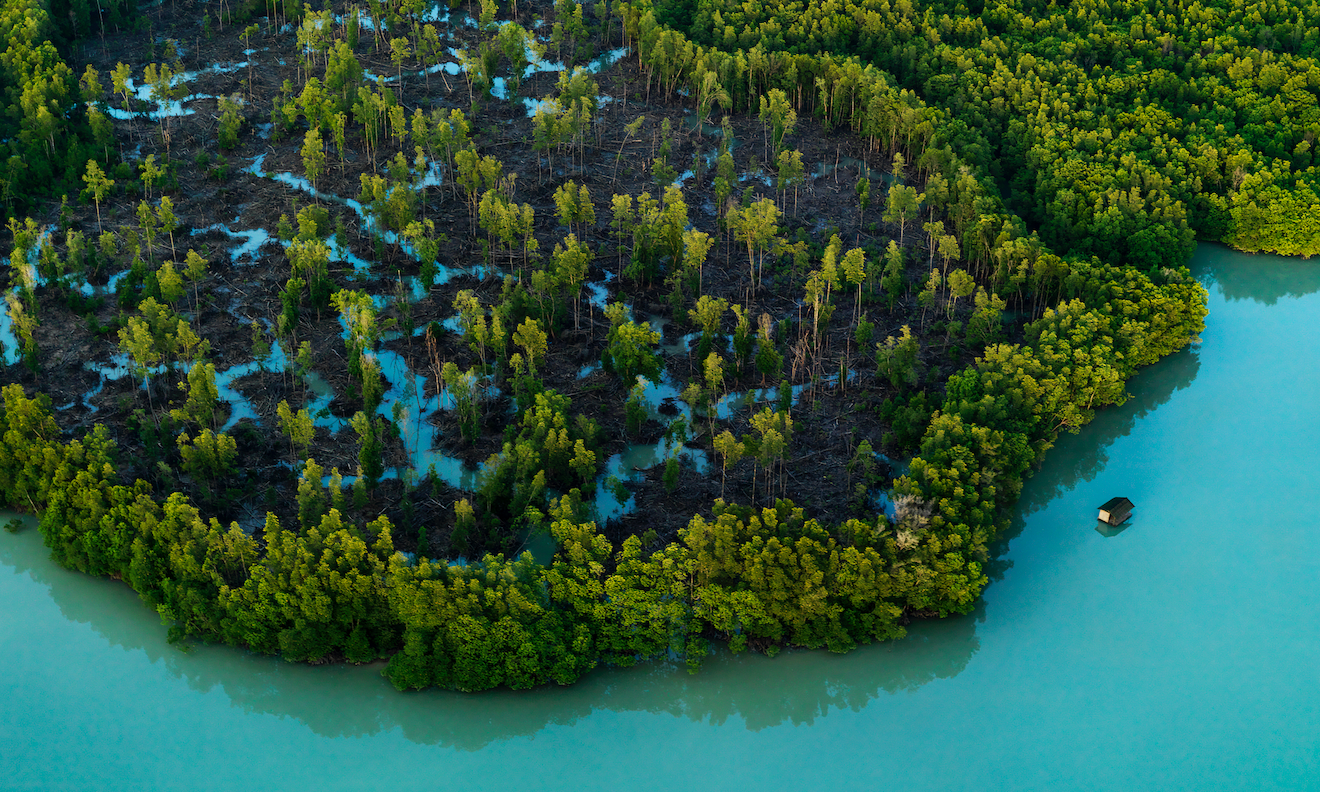
The National Geographic Society and the Chubb Charitable Foundation are partnering together to drive transformational change for vital ecosystems at the intersection of land and water.
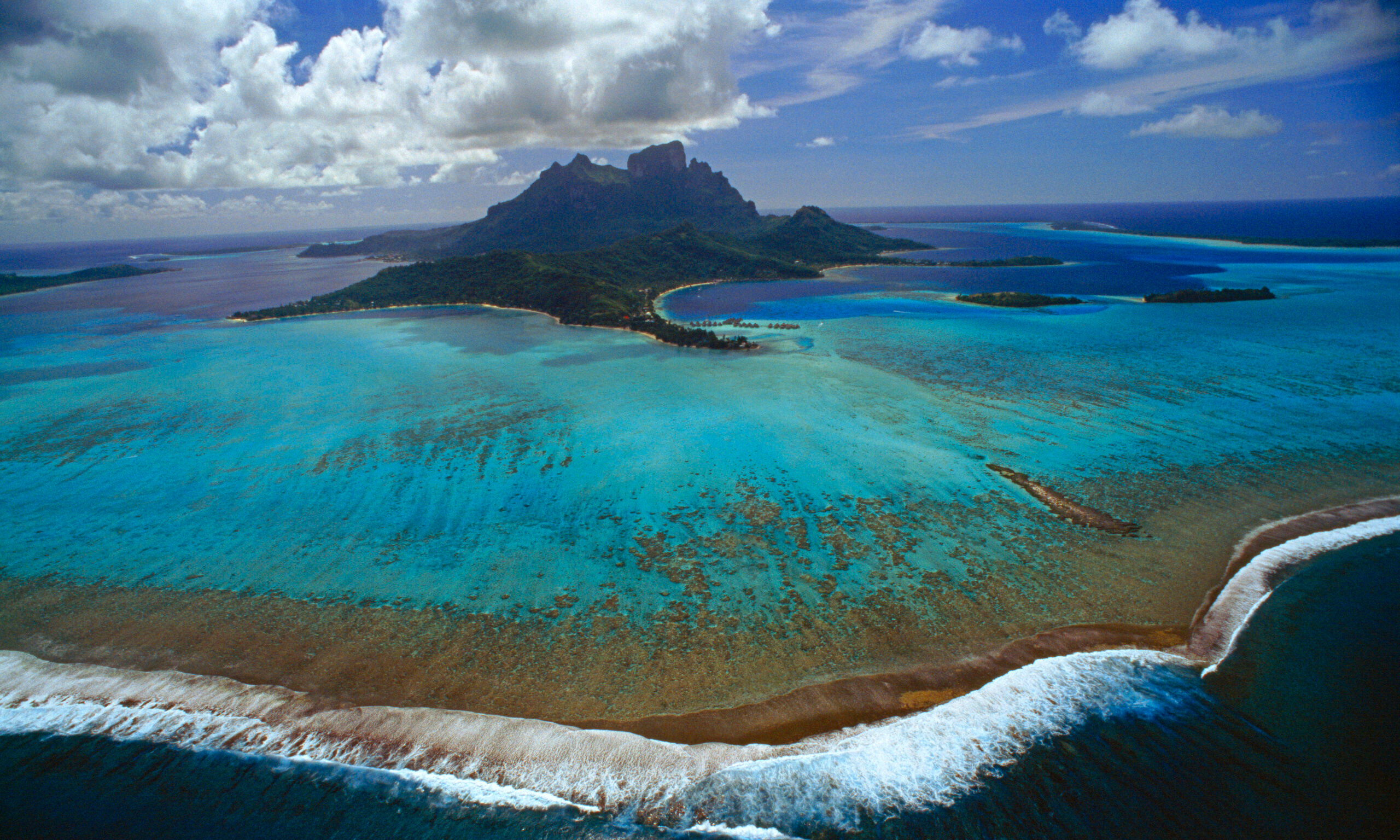
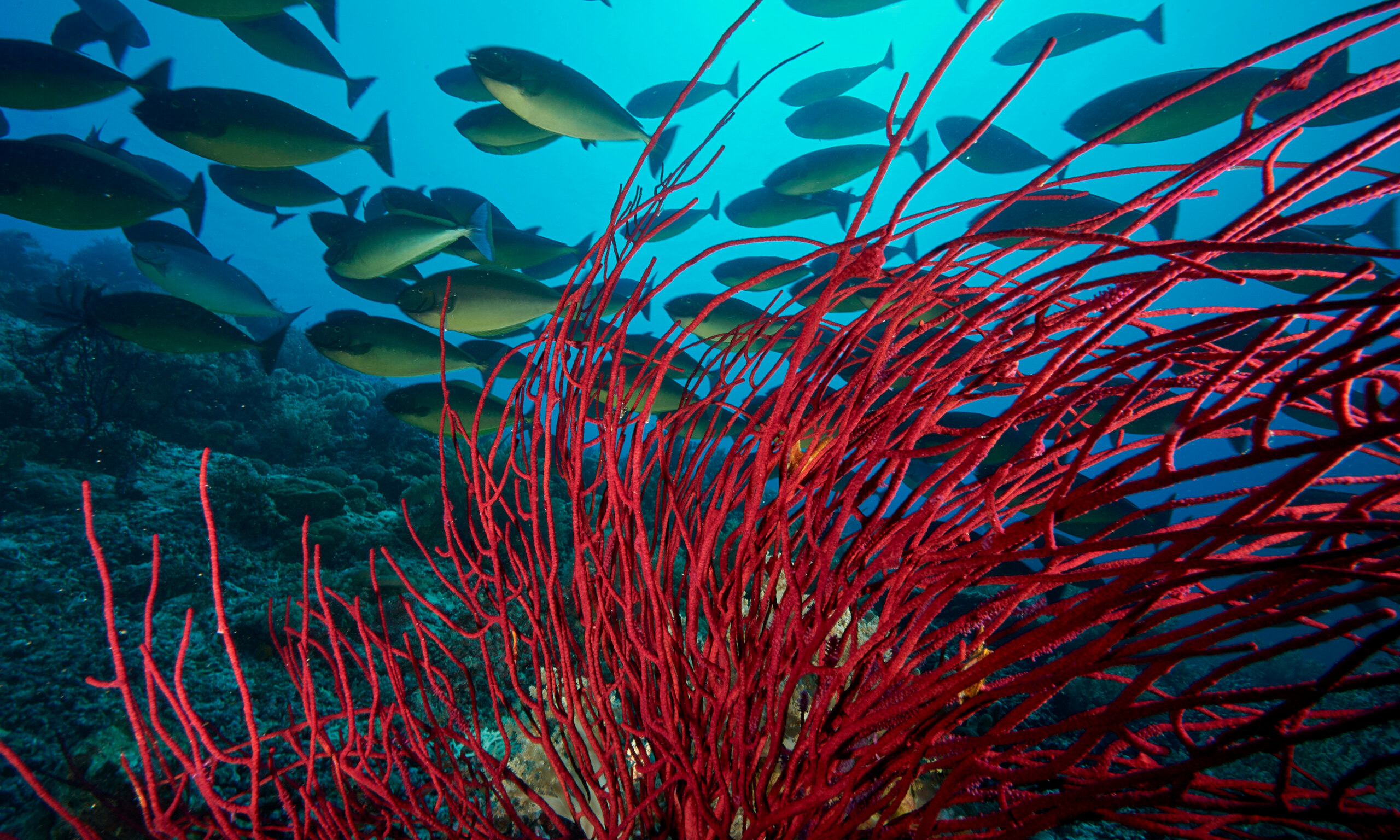
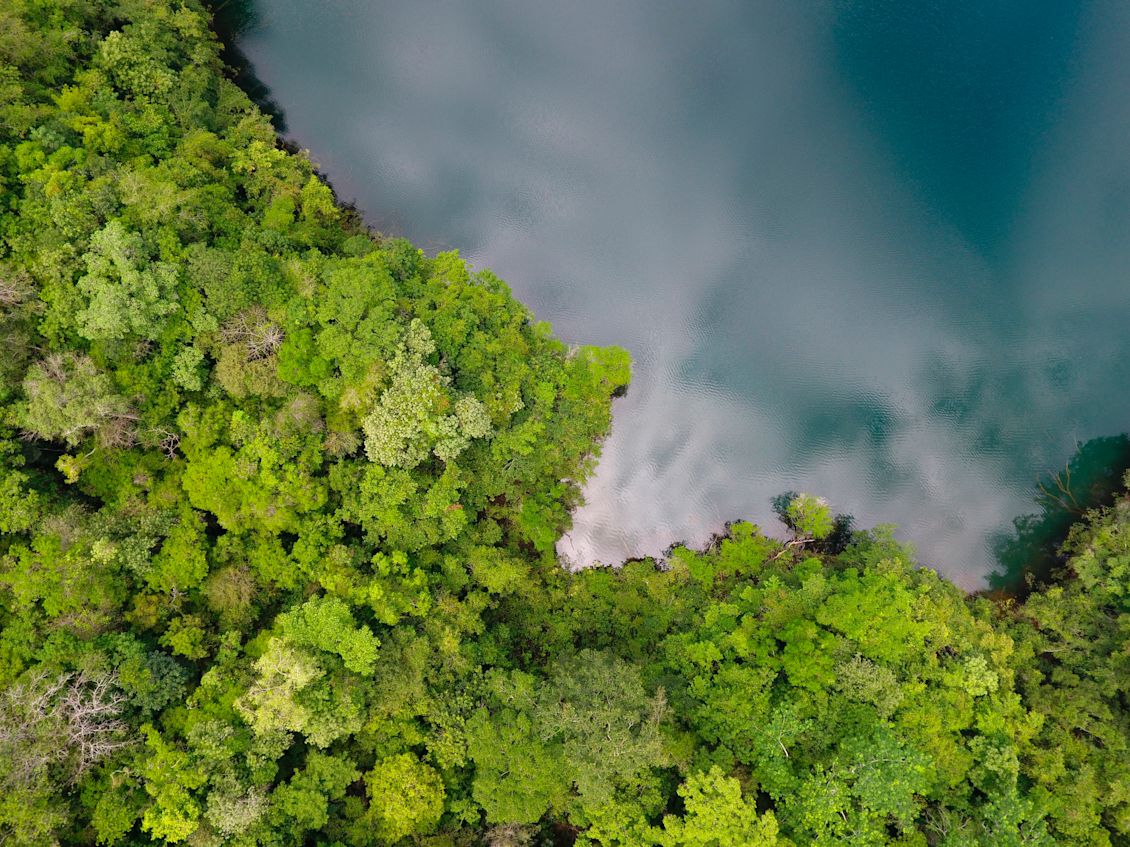
The Blue Boundaries program focuses on safeguarding three of Earth’s most vital ecosystems — freshwater wetlands, coastal systems and reefs — through on-location research and conservation projects, paired with compelling storytelling and innovative education. To learn more about our partnership with the Chubb Charitable Foundation, visit their website.

Why it Matters
From the Leadership

“Protecting nature requires on-the-ground science elevated through powerful storytelling on a scale that matches the magnitude of this global moment — and Blue Boundaries is our next bold step to meet it. Our partnership with Chubb funds scientific research and conservation to deepen our understanding of these life-sustaining ecosystems and drive impact around the globe.”
“This deeply inspiring collaboration has the potential to leave a lasting legacy — positively impacting millions of people and species who depend on these ecosystems for survival and prosperity. Blue Boundaries will be a catalyst for groundbreaking research and exploration of vital ecosystems, helping us do what we do best at Chubb: protecting what matters most.”
Where Land Meets Water
Together, these “Blue Boundary” environments are critical to the health of the planet on local, regional and global scales, providing essential services that support both people and nature.
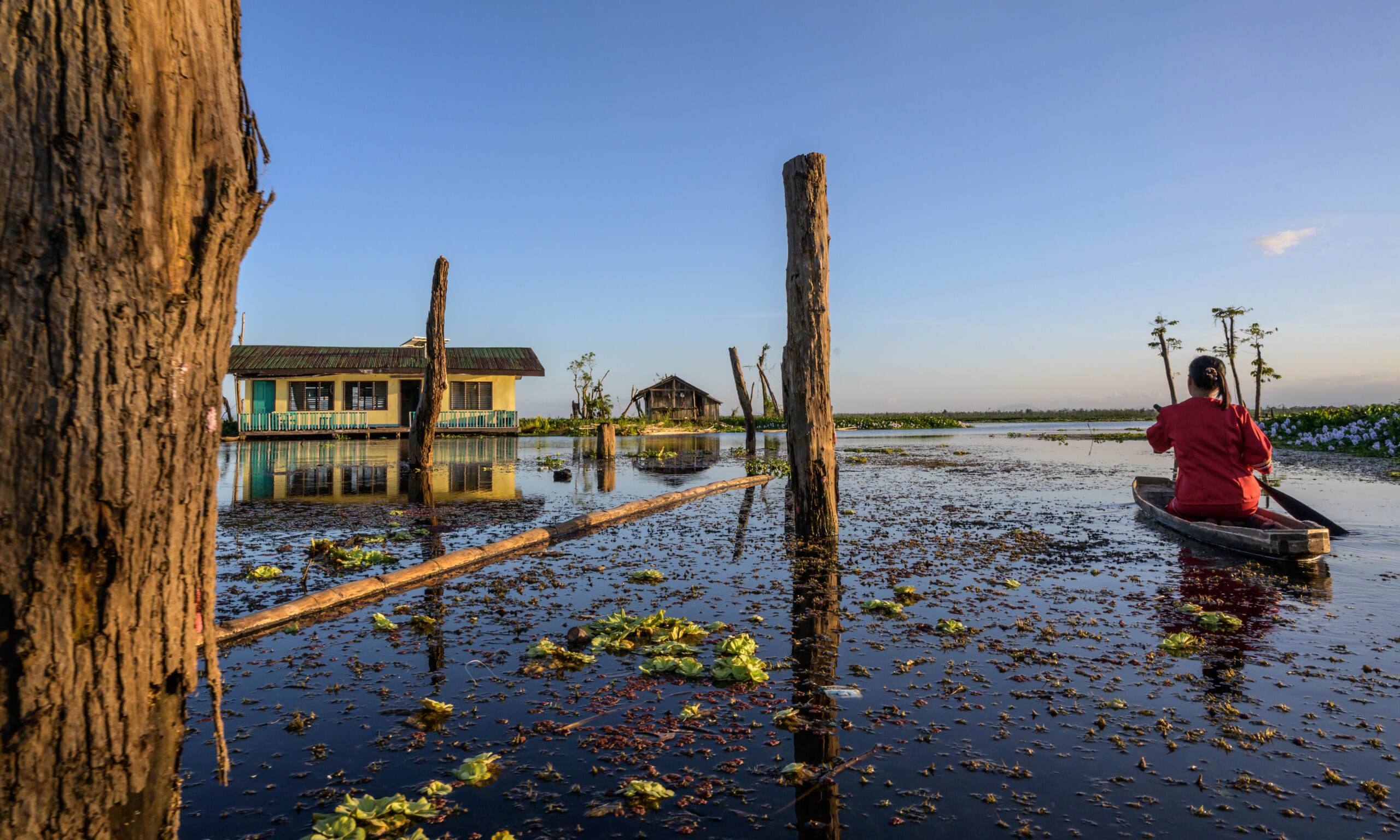
Freshwater wetlands, coastal systems and reefs form intricate and interconnected networks of life that follow the flow of water and nutrients connecting upland watersheds to nearshore seas.
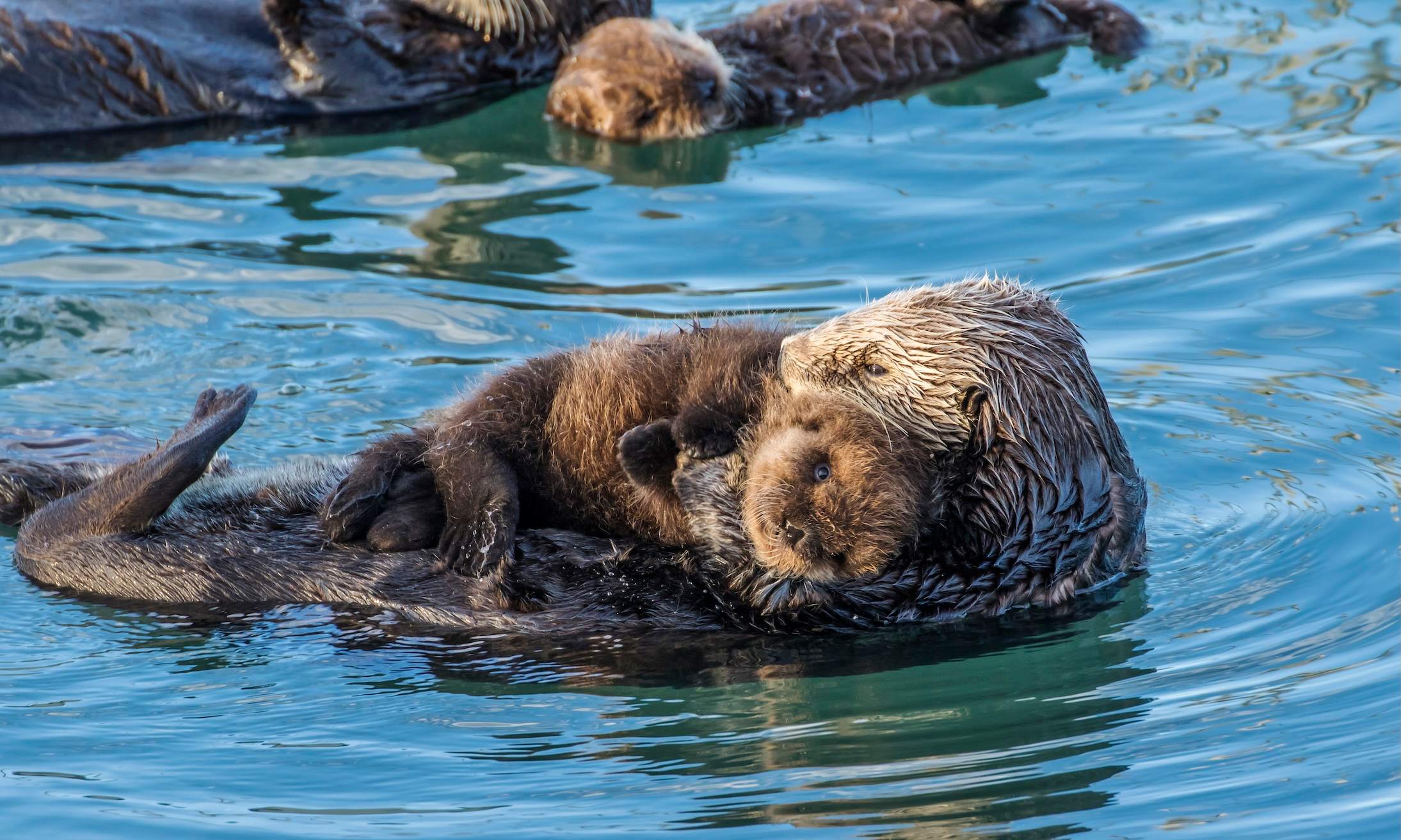
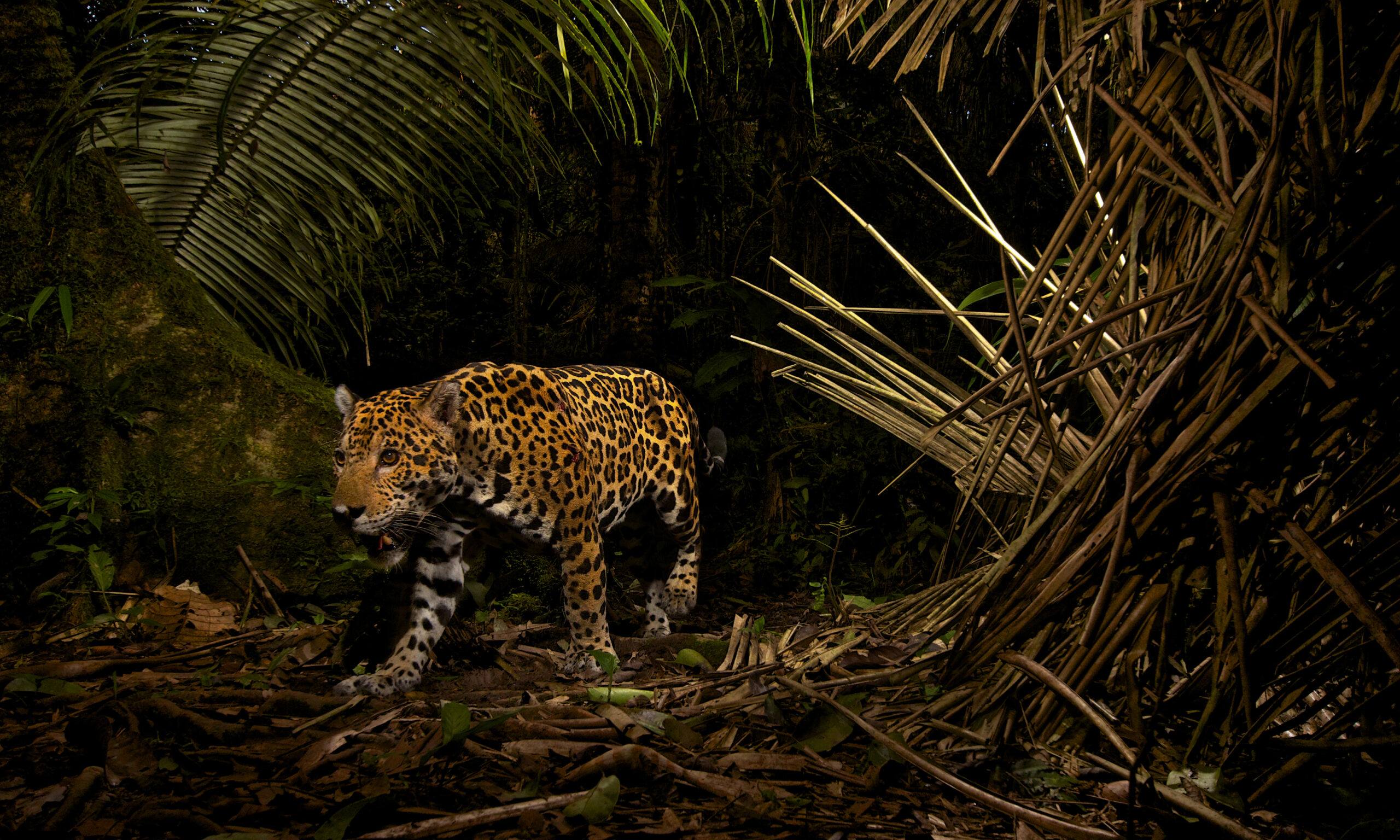
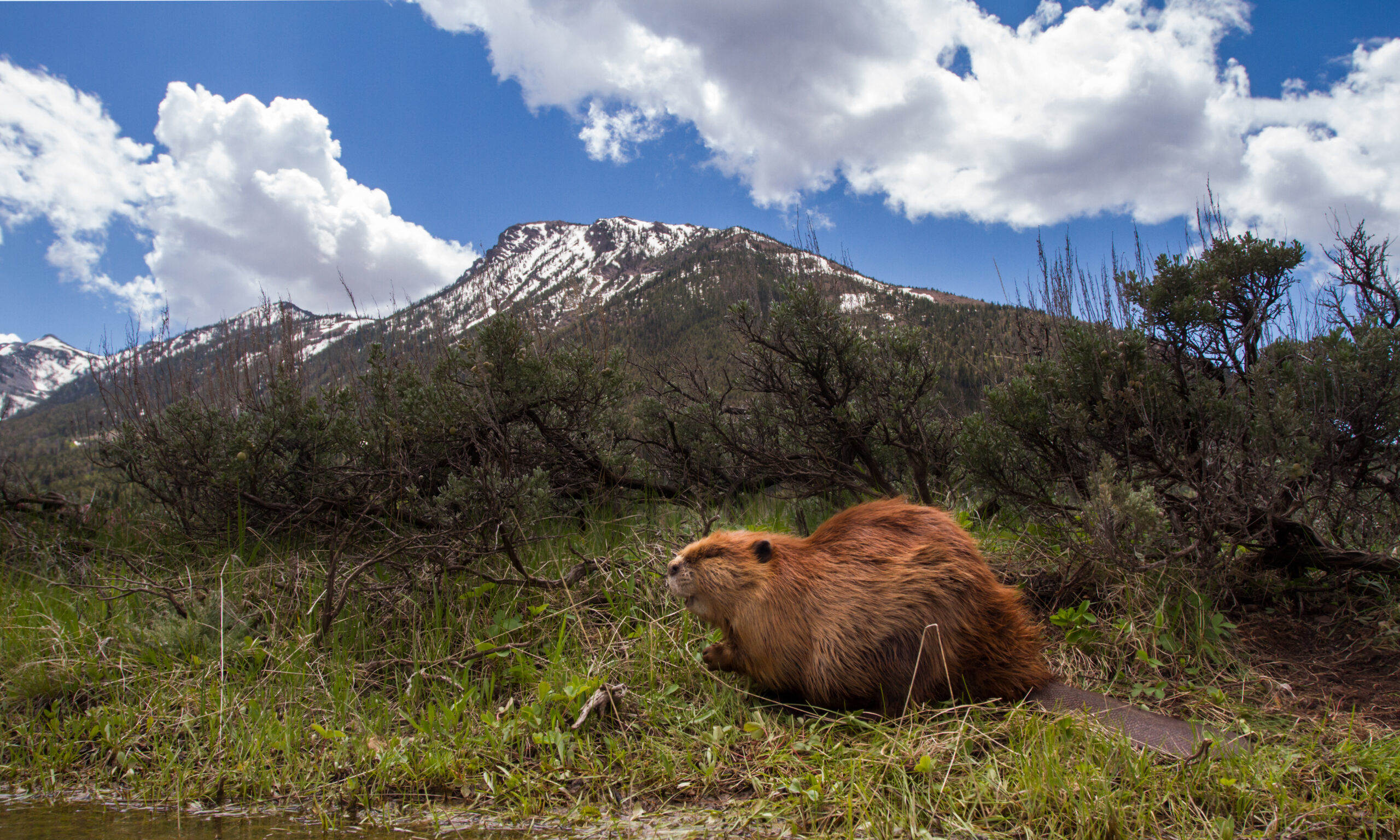
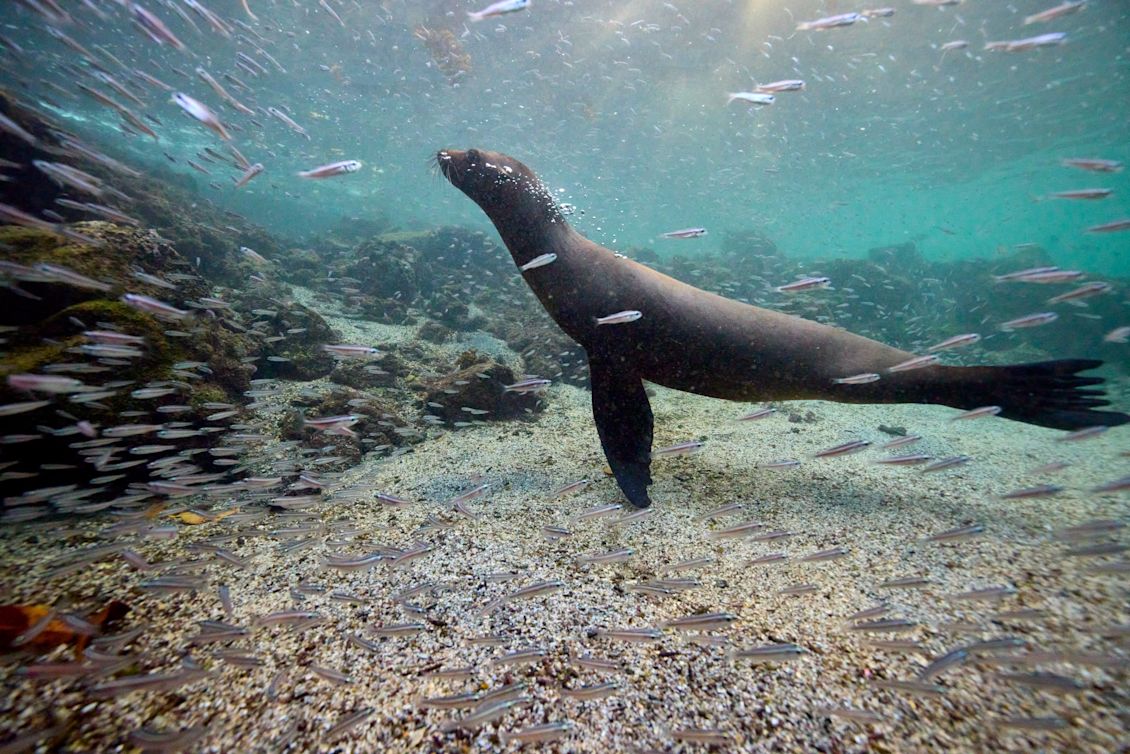
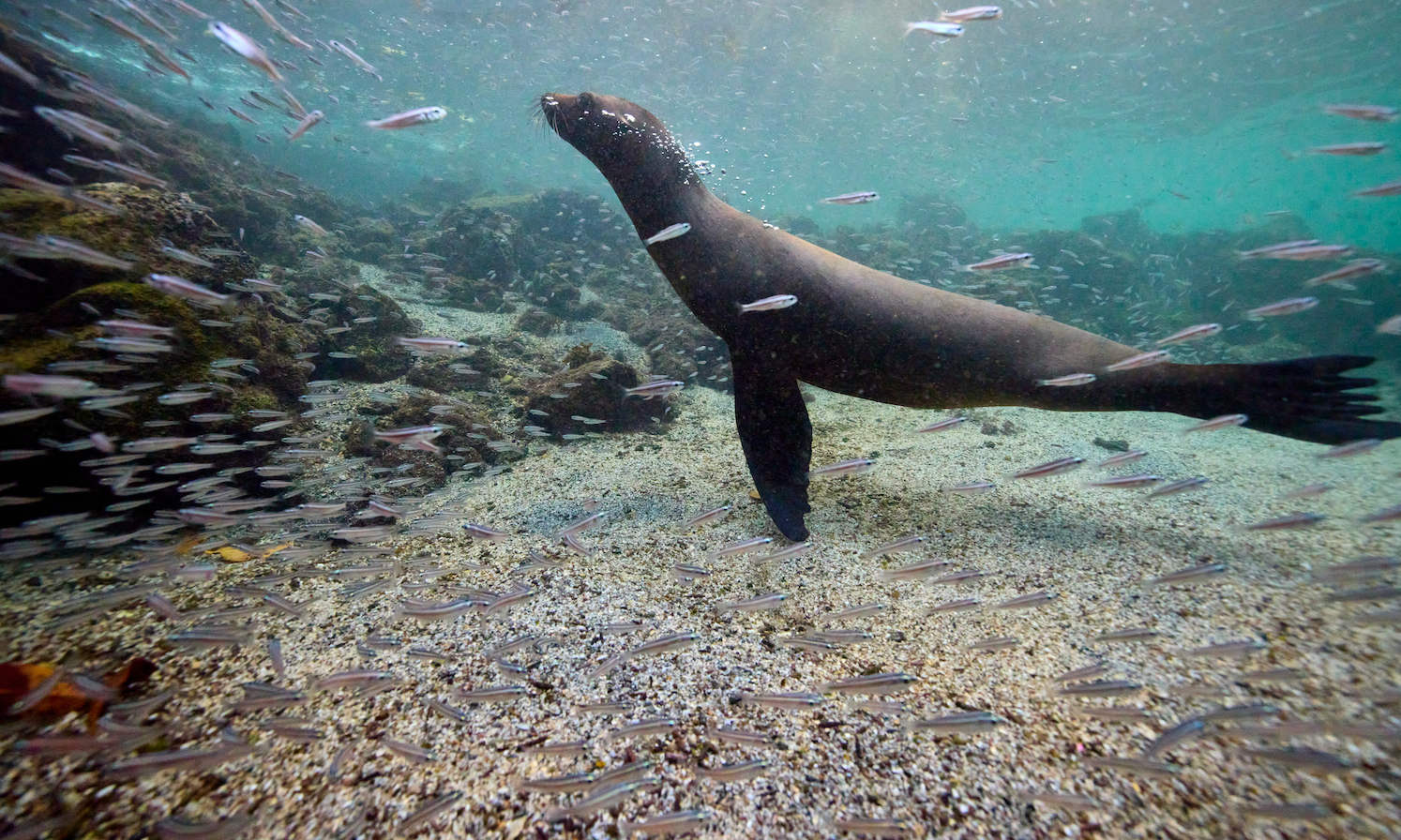
Nearly half of all Earth’s species call these habitats home, creating extraordinary biodiversity that depends on a crucial group of wildlife known as “ecosystem engineers.” These ecosystem engineers — iconic species like jaguars, manatees, woodpeckers and penguins — are the architects that actively shape and maintain the landscapes essential for countless other species to thrive.
“Blue Boundary” environments also provide critical nurseries for fisheries as well as clean water, resources and coastal resilience that nourish and protect billions of people, while playing a critical role in storing carbon and regulating the climate.
Our Approach
Building Lasting Resilience
Led by a cohort of National Geographic Explorers, the Blue Boundaries program encompasses scientific research, conservation work, education initiatives and impact storytelling to address the planet’s most pressing challenges. Working in partnership with local communities, these Explorers will help co-create innovative and scalable solutions that are informed by science and grounded in local knowledge.
Blue Boundaries is being implemented in a phased approach, with strategic overlap throughout the partnership, starting with freshwater wetlands and then moving to coastal systems, culminating in reef environments. This approach mirrors the downstream flow of water that connects life and ecological processes, underscoring the interdependence of these environments.
Biodiversity is the cornerstone to healthy ecosystems and core to the program are ecosystem engineers, the protagonists of these species that play an outsized role by physically modifying, creating or maintaining habitats and act as early indicators of ecosystem change. Research focuses on identifying the most critical species in these ecosystems and how they may help indicate their collapse before it happens, because safeguarding these keystone species delivers an outsized conservation impact.
Blue Boundaries is shaped by four foundational pillars, which unites all Explorers working across the Blue Boundaries. Those pillars include:
- Biodiversity
- Carbon Dynamics
- Ecosystem Resistance and Resilience
- Socioecological Health