Our Work
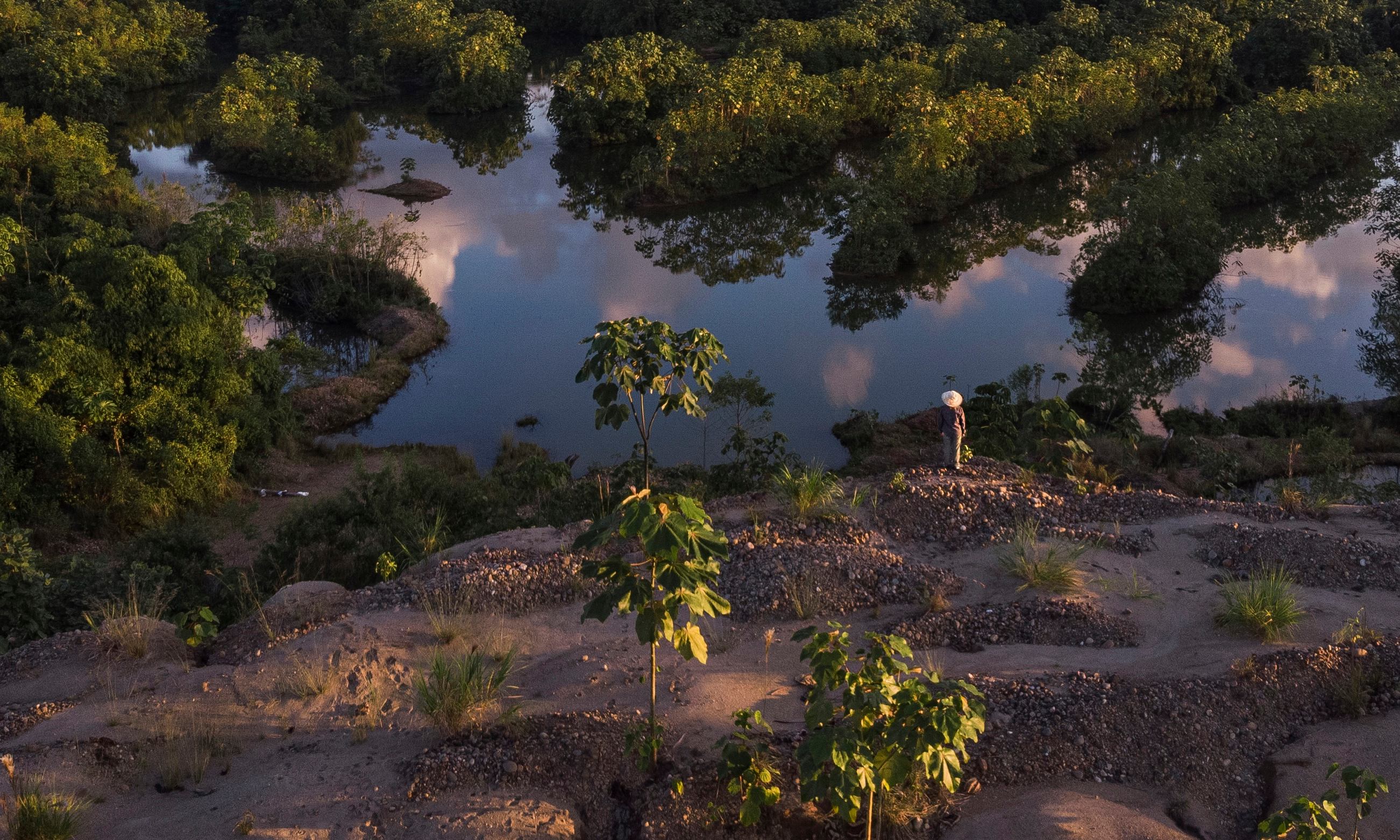
Our work in planetary health covers projects that explore the relationships and interdependencies between human health and the environment. These include all natural systems, such as oceans, land, atmosphere, flora, fauna, fungi and microbes. Our Explorers study, document and illuminate these interdependencies; identify and dissect conflicts; and create innovative solutions that mutually benefit humans, ecosystems and the planet.
live sighting of Gonatus antarcticus squid in the Southern Ocean
Explorers collaborating on a comprehensive scientific exploration of the world’s largest life-sustaining freshwater ecosystem, the Amazon River basin
total scientific papers emerged from the Perpetual Planet Expeditions program
Featured Program
National Geographic and Rolex Perpetual Planet Expeditions
The National Geographic Society and Rolex have partnered to support trailblazing scientific research, expeditions and solutions to increase our understanding of the threats facing the planet’s life support systems and drive action to address them.
In the Field
Our Planetary Health Explorers
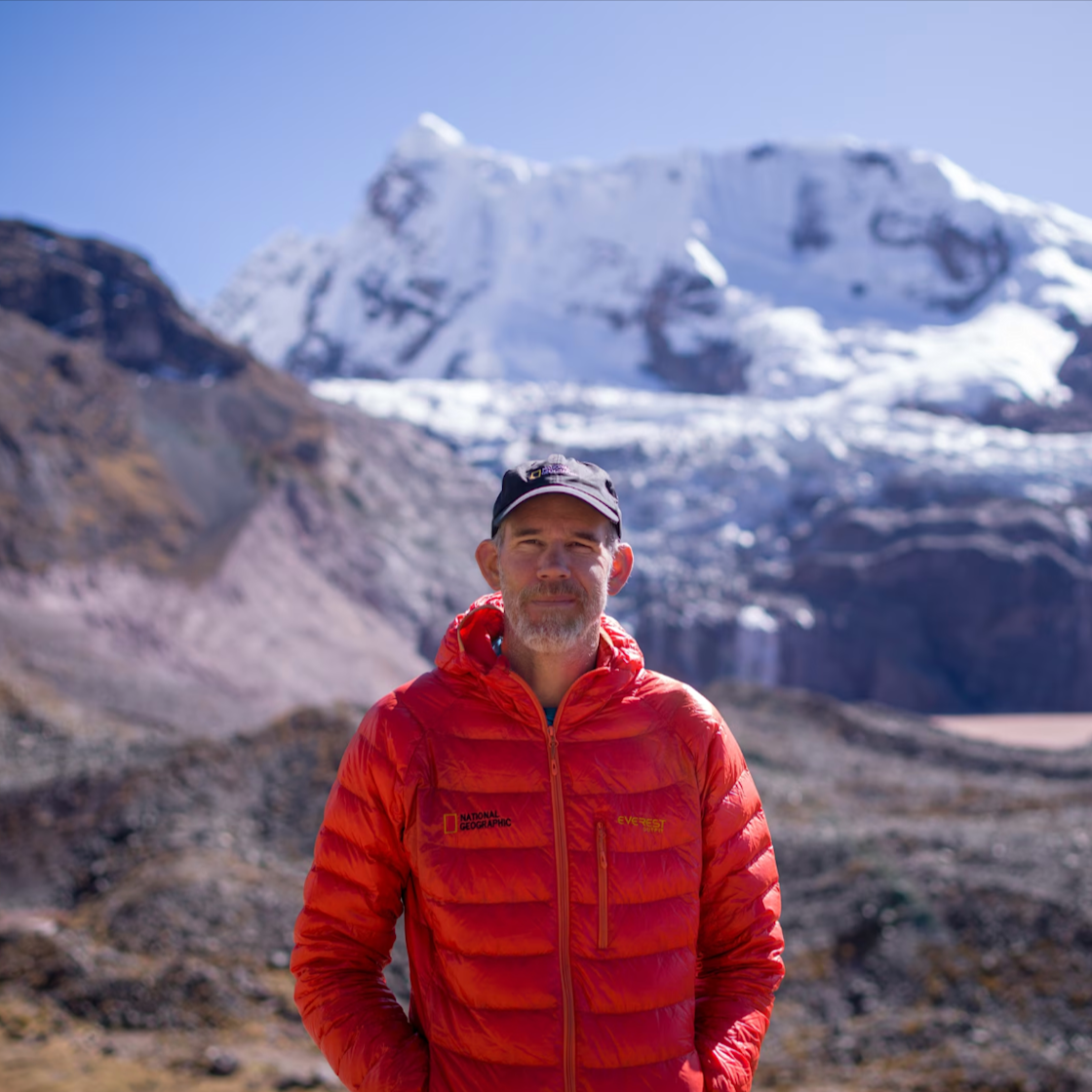
From the roof of the world on Mount Everest to the depths of the ocean, our Explorers are conducting groundbreaking research in the world’s most remote places to fill gaps in our understanding of the planet’s life-sustaining resources. Our Explorers work with scientific experts, policymakers and local communities to develop transformative solutions to our most pressing environmental challenges and ones that mutually benefit people, wildlife and ecosystems. They are changemakers committed to ensuring a planet in balance.
Read more stories of impact from some of our Planetary Health Explorers on nationalgeographic.com.



Explorer's Perspective
Making a Difference
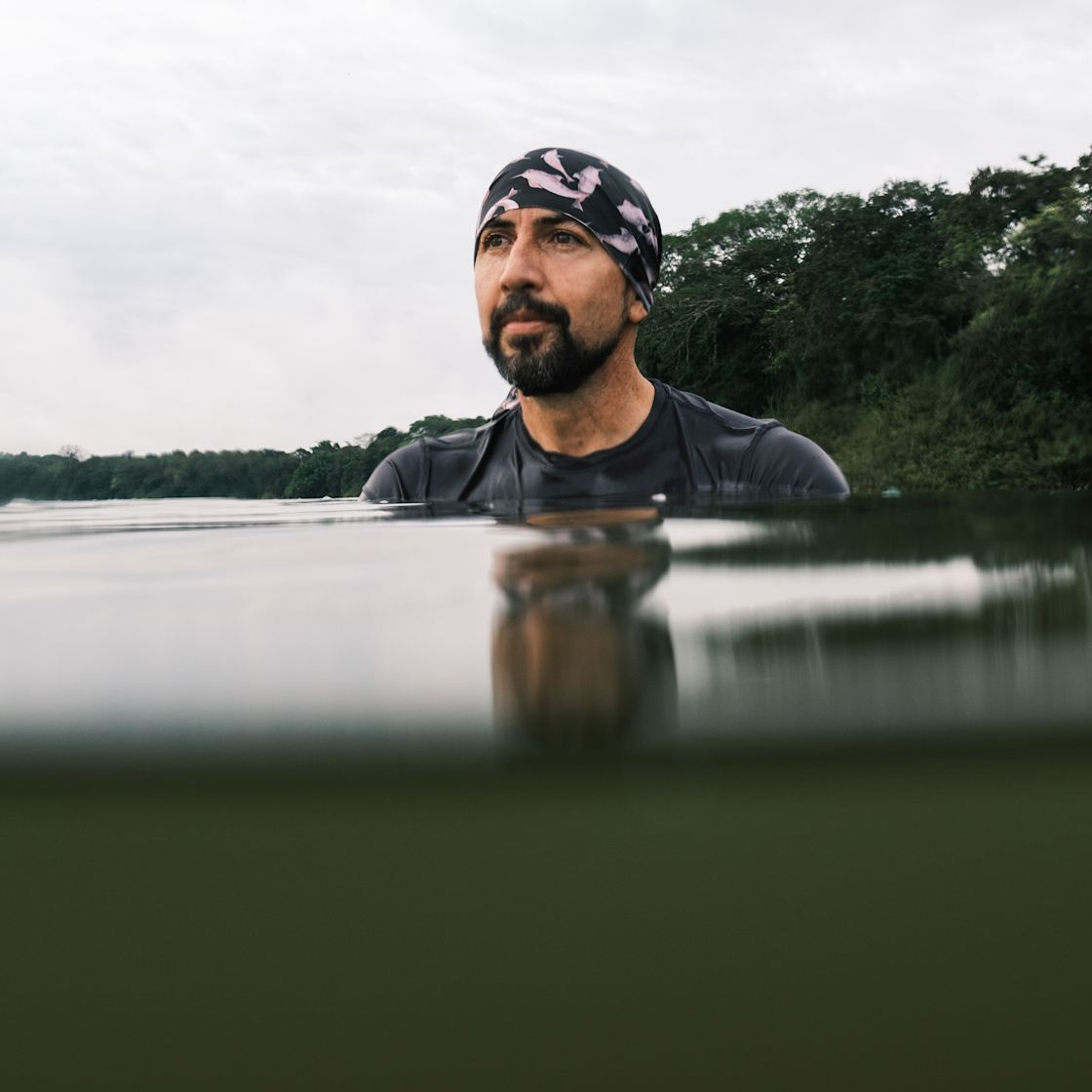

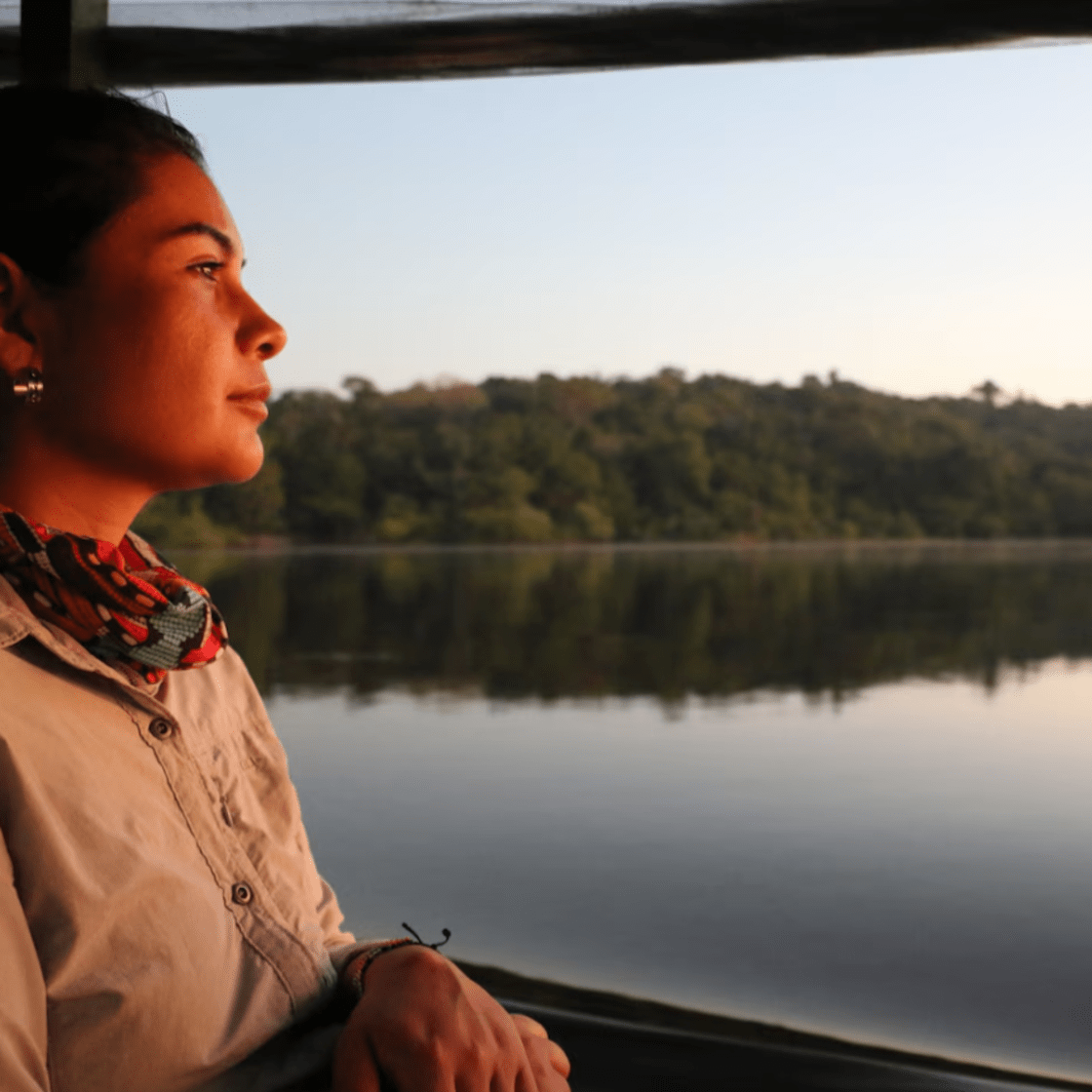
“The connection I have with the field, with the people, with the animals — it’s the energy I really need to support all bureaucracy and all the difficulties to fight for the conservation of the Amazon. It’s a strong connection.”
Join Us
Help Protect Our Planet
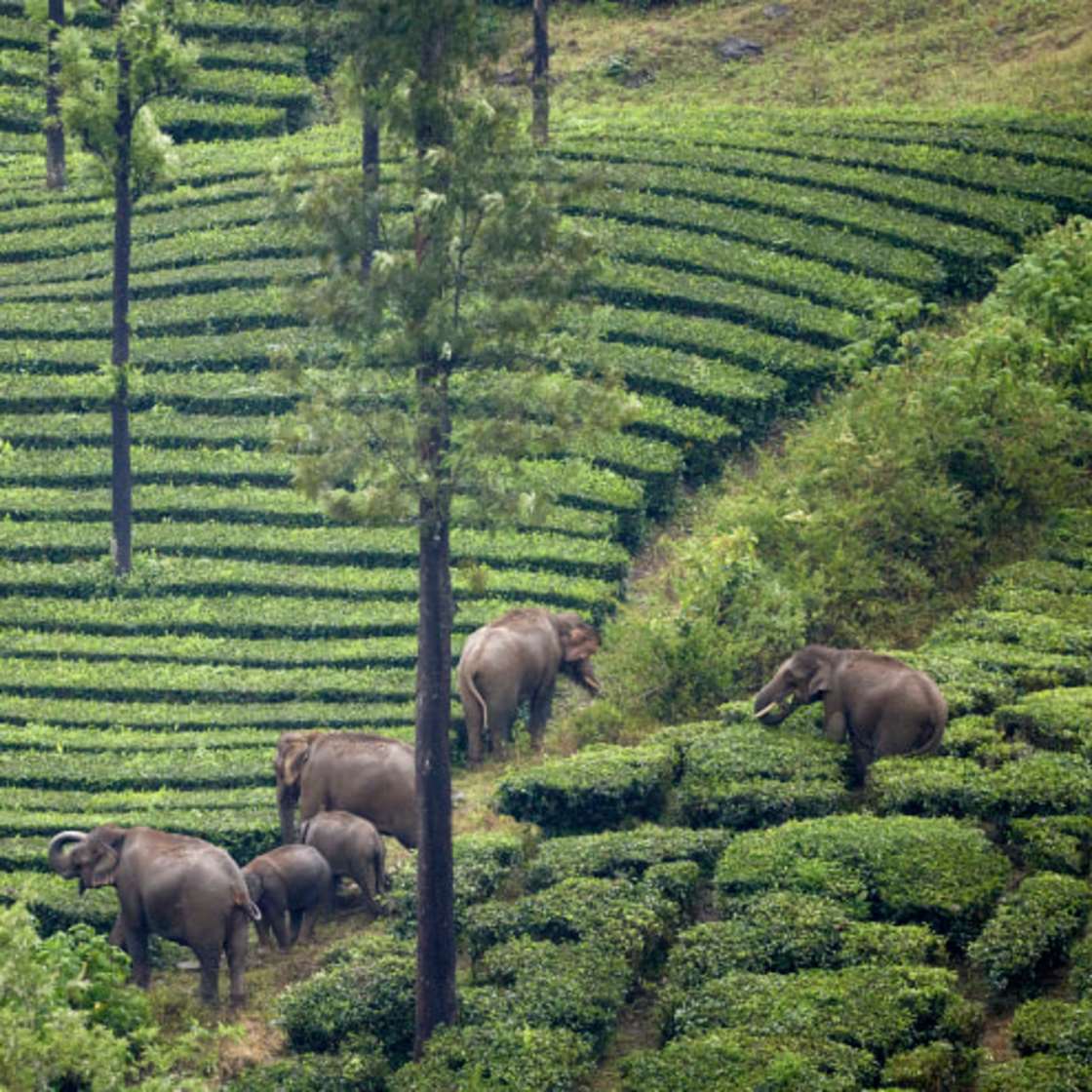
Bring Planetary Health Into the Classroom
Spark curiosity by downloading our resources for educators and learners in our Resource Library. We've provided lessons, articles, maps, videos and so much more to inspire you to share in our mission to illuminate and protect the wonder of our world.
Support Our Work
As a global community, we have a duty to ensure a more robust planet. By empowering innovative changemakers, we can make the planet a better place for all its inhabitants and inspire future generations to do the same. How will you contribute to a healthier planet?