The Angolan Highlands Water Tower
Lifeline of the Okavango Delta
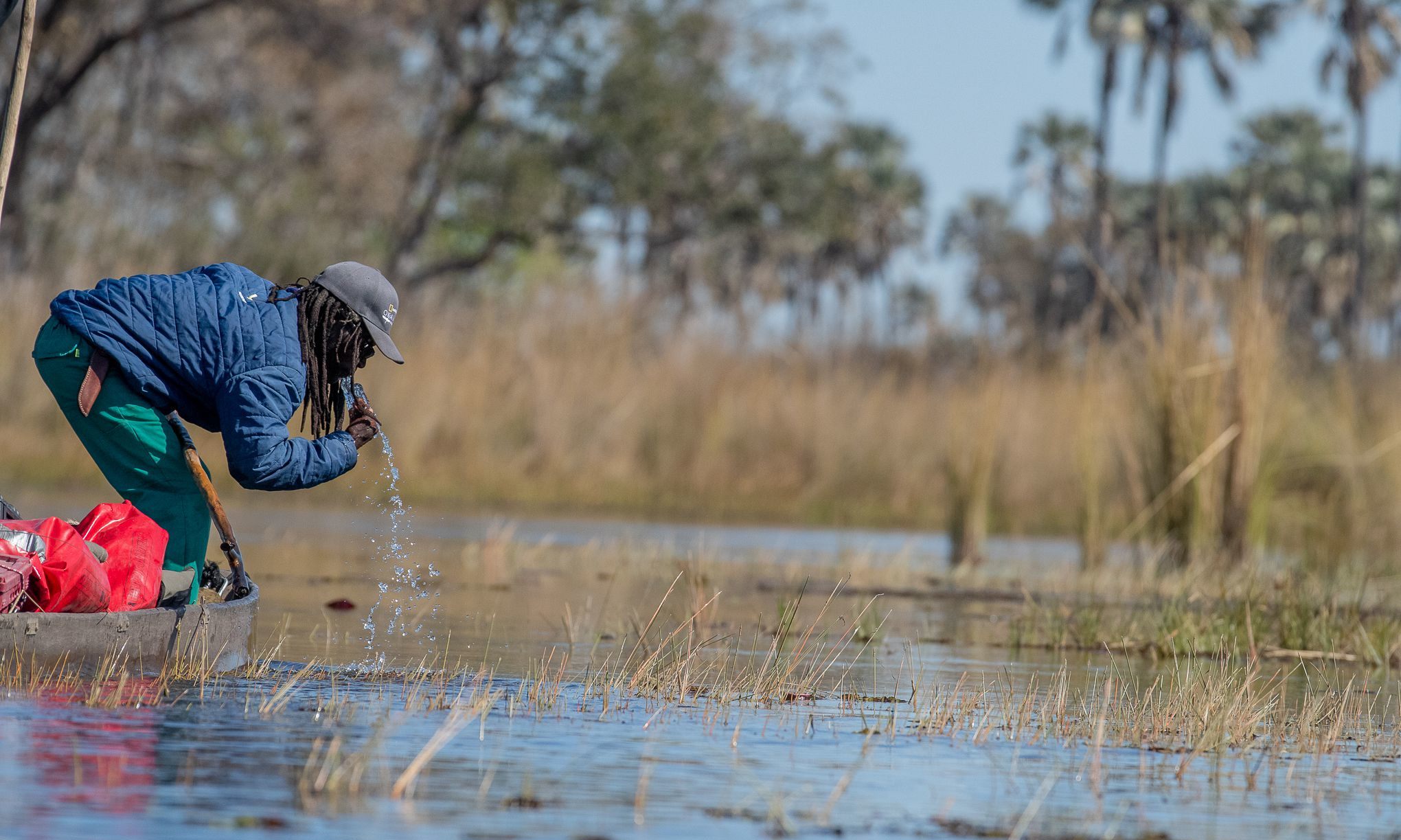
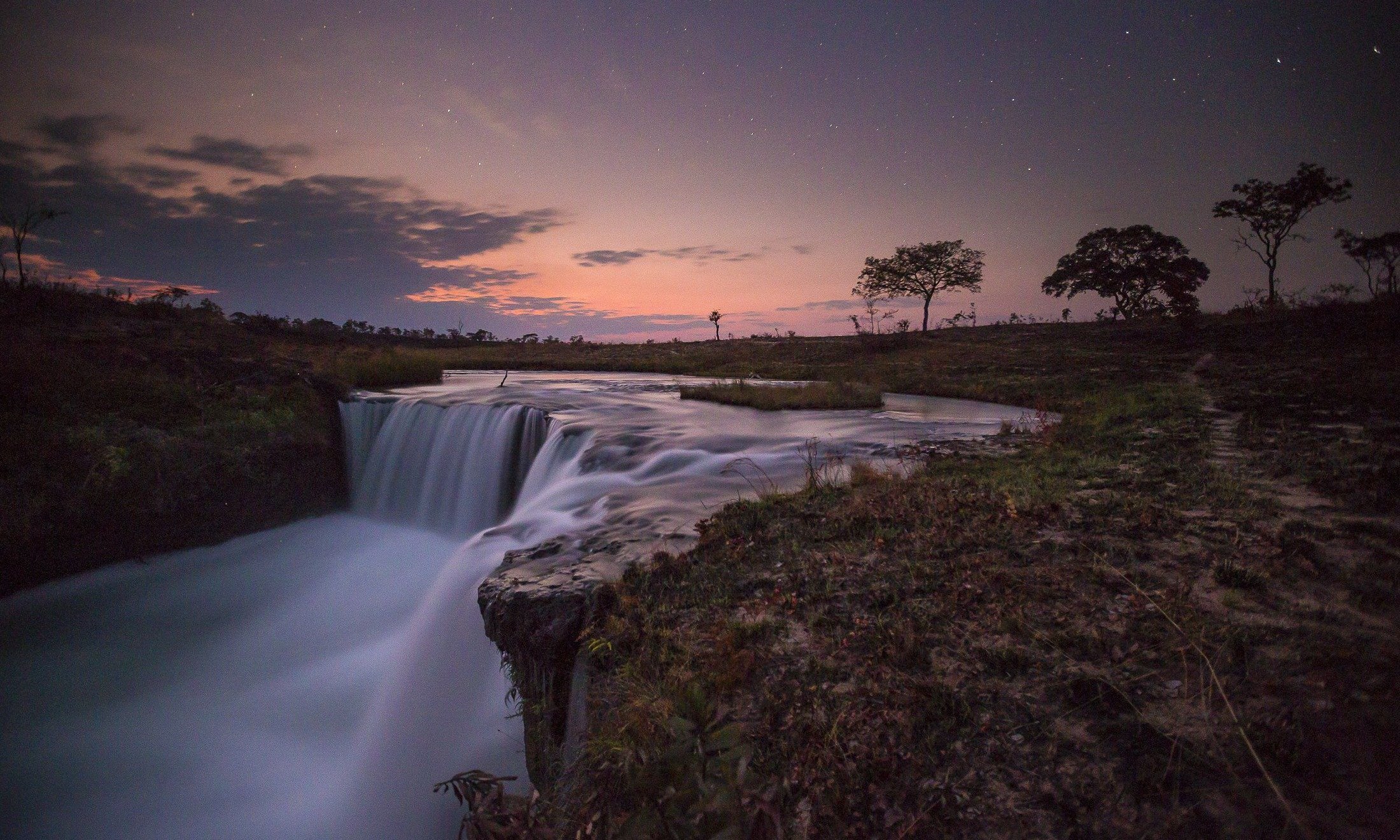
The Okavango Delta, a vast fan-shaped wetland located in the Kalahari Desert, receives its life-giving waters from a water tower in the highlands of Angola.
The term “water tower” refers to a water supply stored in mountains or highlands as snow, glaciers or natural reservoirs, such as lakes.
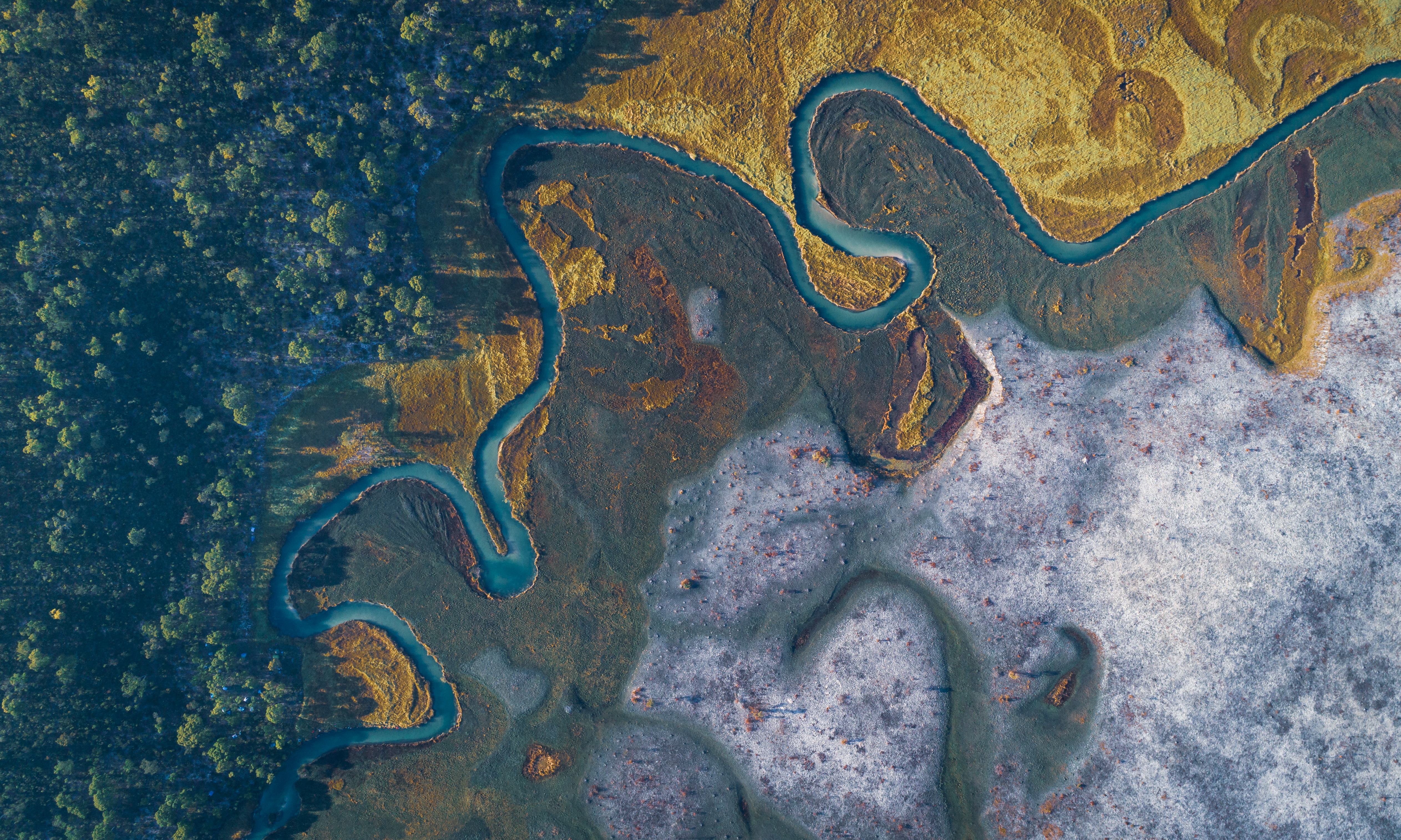
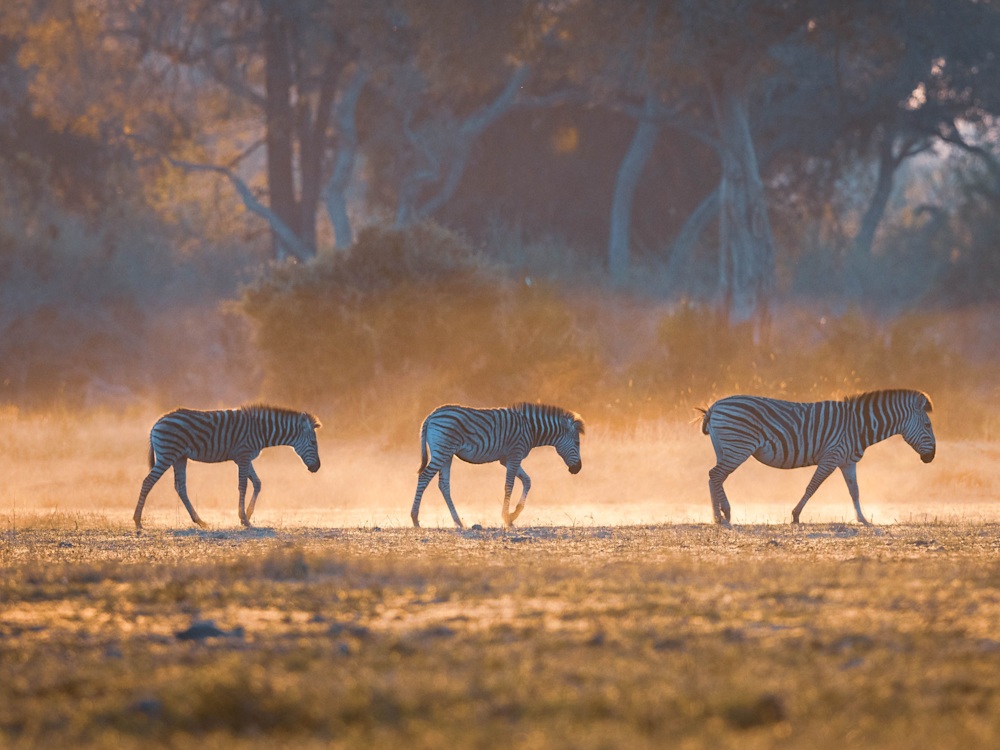
The Okavango Delta is the main source of water for a million people and is one of the most biodiverse places in Africa. It supports one of the world’s largest remaining elephant population as well as lions, cheetahs, wild dogs, hundreds of species of birds and much more.
From the Water to the Delta
Over 95% of the water that flows to the Delta originates from the rainfall in the Angolan highlands.
An average of 2.5 trillion gallons of water flow through the Okavango watershed every year, providing water to a million people and creating a haven for wildlife.
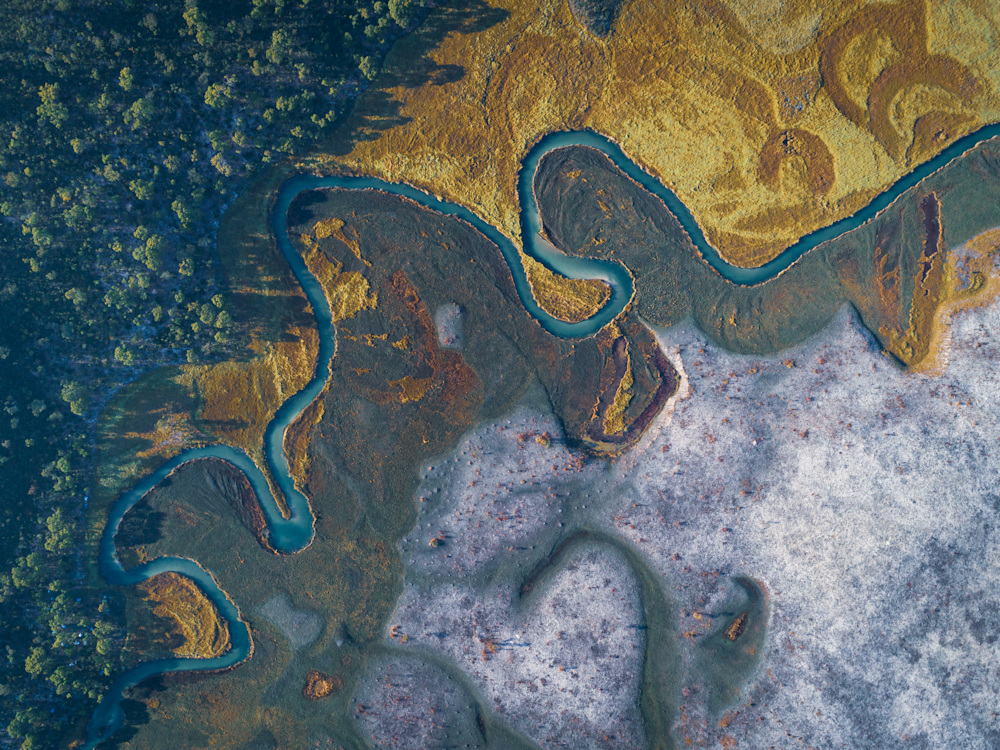
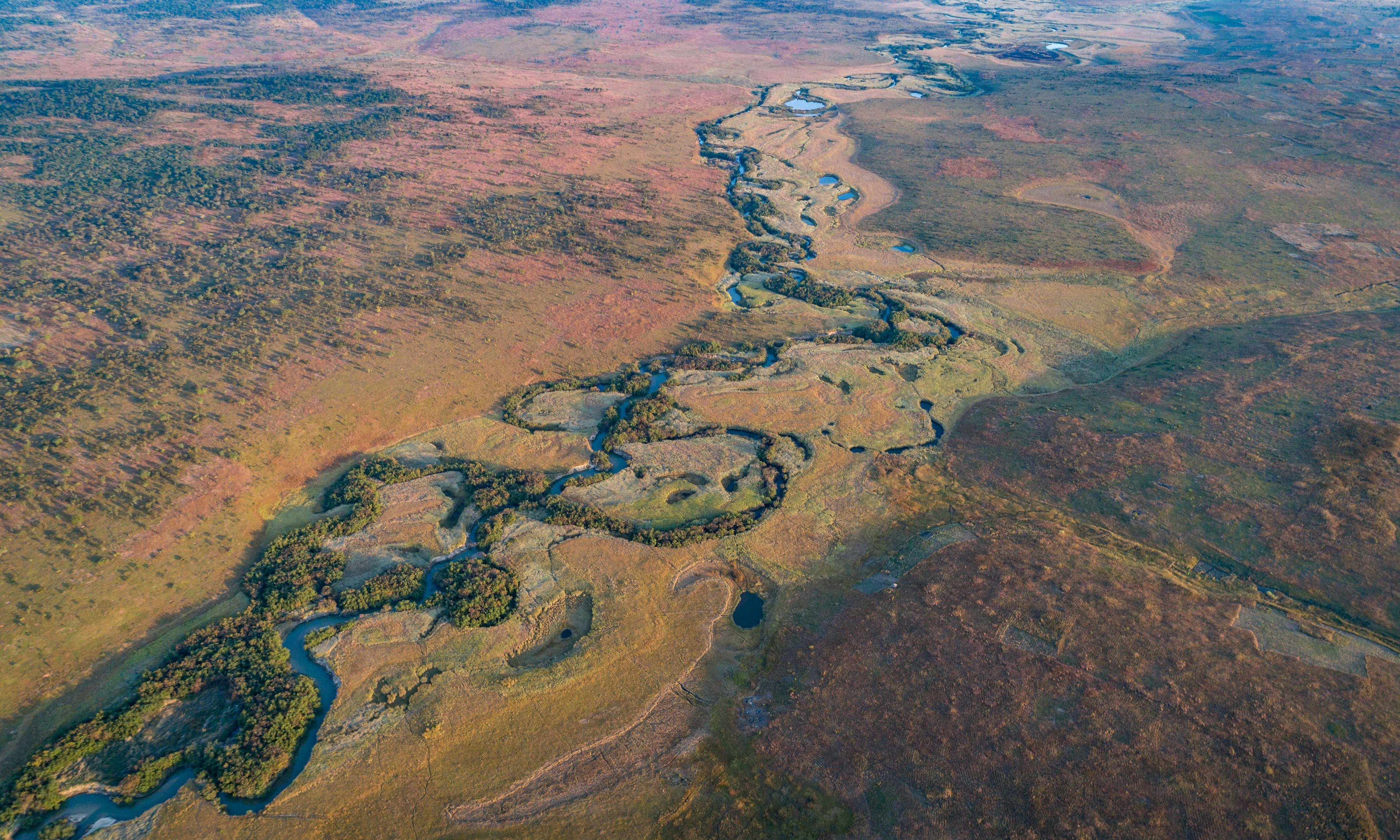
Over 95% of the water that flows to the Delta originates from rainfall in the Angolan highlands. There it is captured by source lakes and rivers like the Cuito, Cuanavale, Cuiva, Cuando, and Lungue-Bungo, that are surrounded by vast miombo woodlands creating an ecosystem characterized by seepages, streams, oxbow lakes, and ridgelines that make up the Okavango-Zambezi Water Tower. The water tower is critically important for sustaining water flow to the rest of the Okavango watershed.
The seasonal rains travel to the Okavango Delta by two main rivers: the steep Cubango River in the west and the more gradual Cuito River in the east, where water pools into lakes; percolates through grassy floodplains, peat deposits and underlying sand; and seeps into tributaries.
These rivers converge at the southern border of Angola to form the Okavango River. The Okavango River then flows across Namibia and into Botswana, where it radiates out over the vast Okavango Delta, driving the dramatic seasonal expansion of life in the Delta.
After building up for weeks in the Delta, flood waters eventually burst forth from its southern reaches, forming the Boteti River, which flows out to the Makgadikgadi Pan.
Emerging Threats
Communities along the water tower have maintained a lifestyle intertwined with the rivers and the ecosystem they support. But as land mines from the decades-long civil war are decommissioned and more roads open up, the outside world is encroaching into these isolated communities and the surrounding wilderness. As a result, the illegal commercial bushmeat trade has picked up, as have unregulated development, charcoal production, and logging.
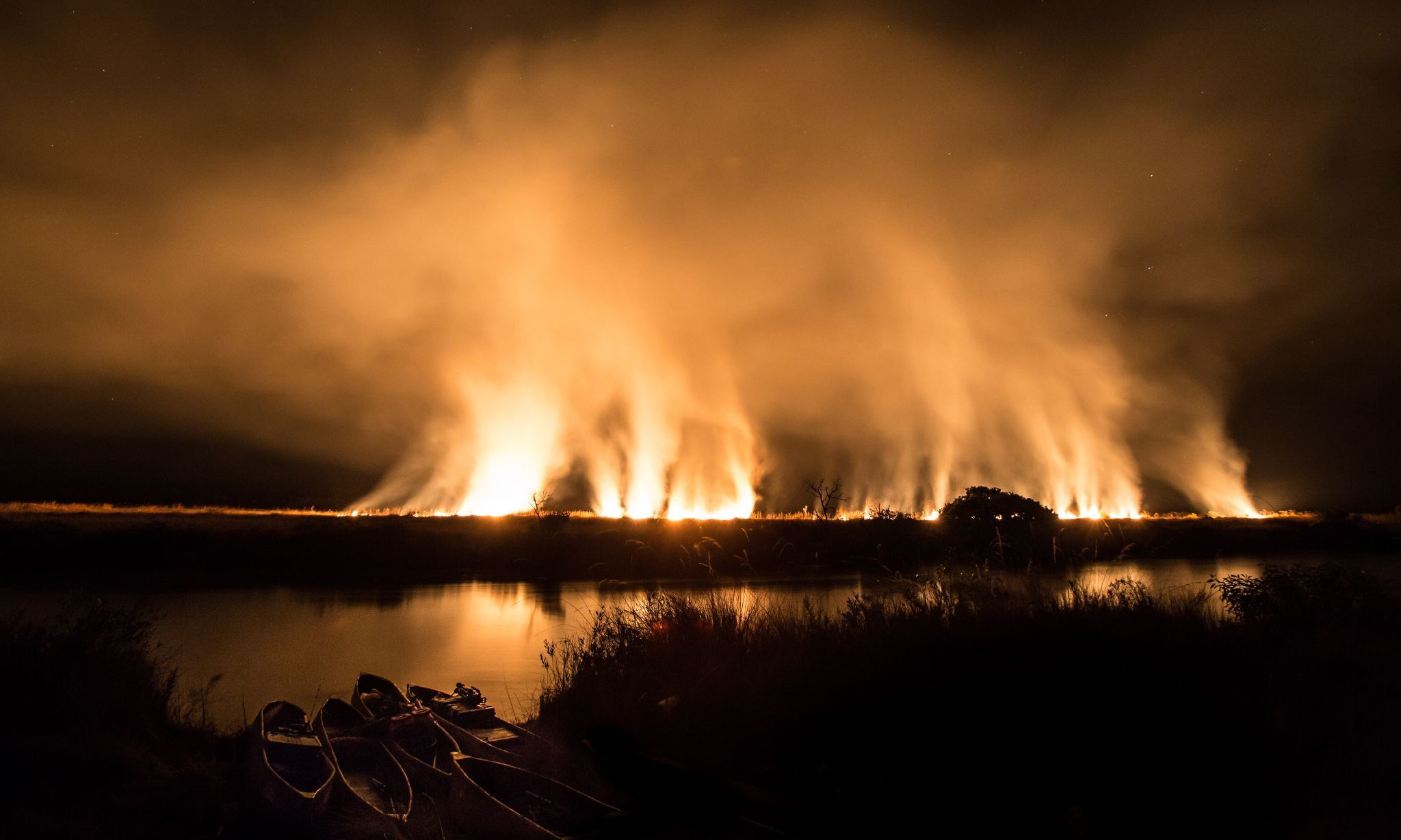
Widespread, human-set fires from hunting, slash-and-burn agriculture, and charcoal production represent one of the greatest threats to the source waters.
Past Expeditions
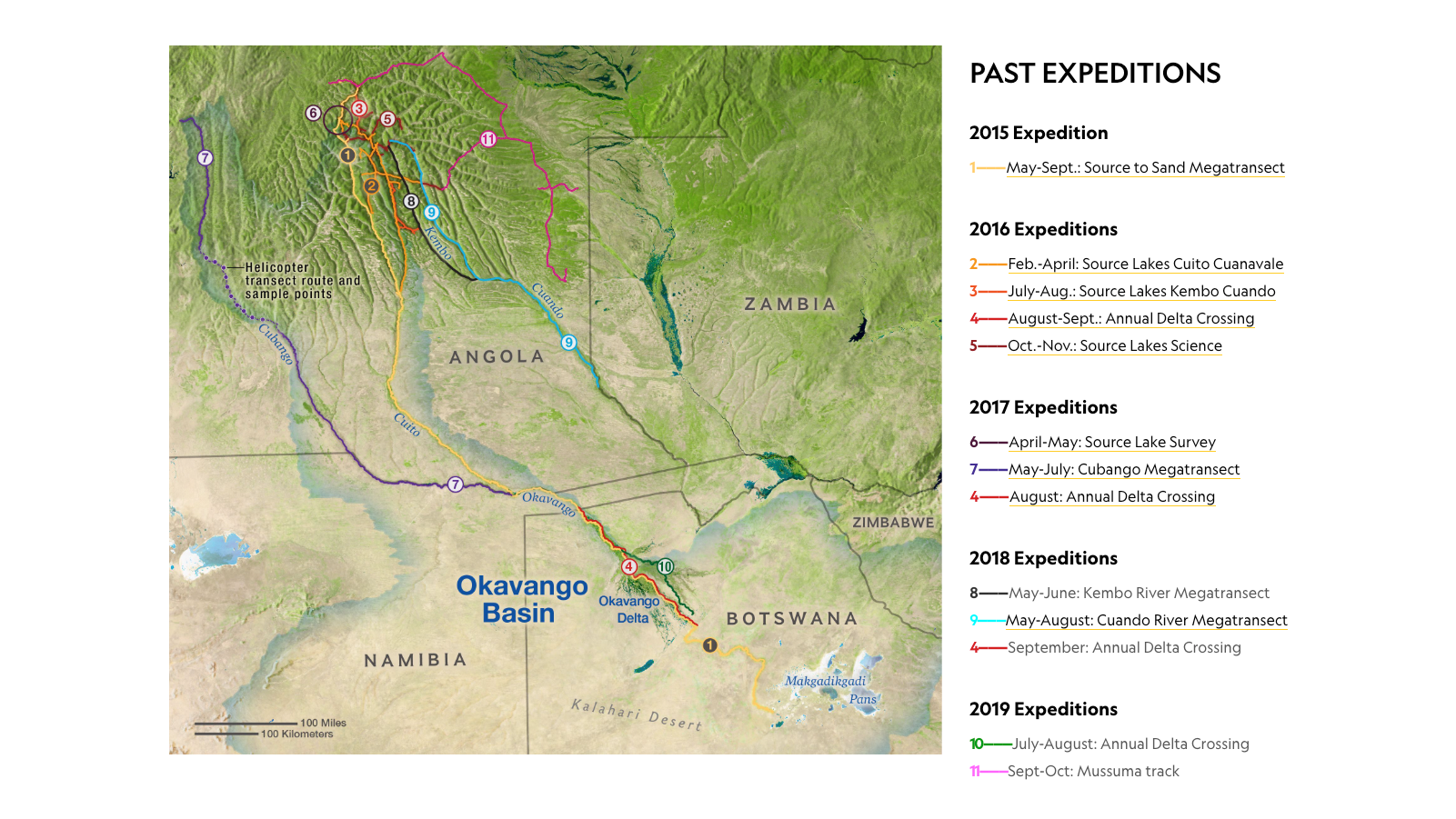
Learn more about NGOWP’s past expeditions across the Okavango Basin.
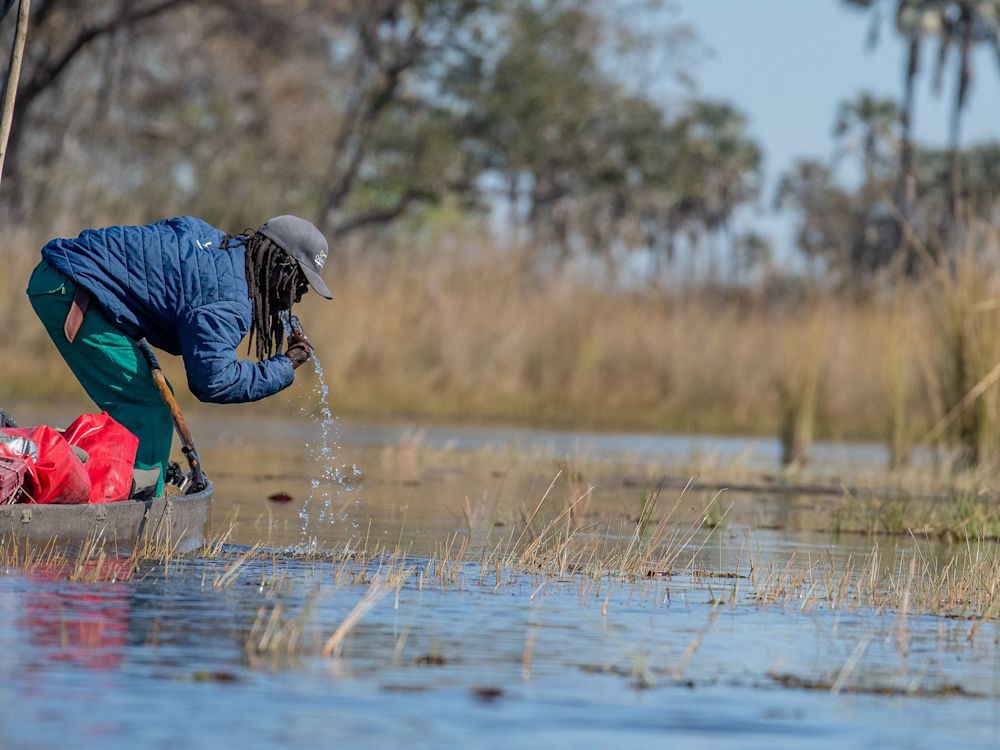
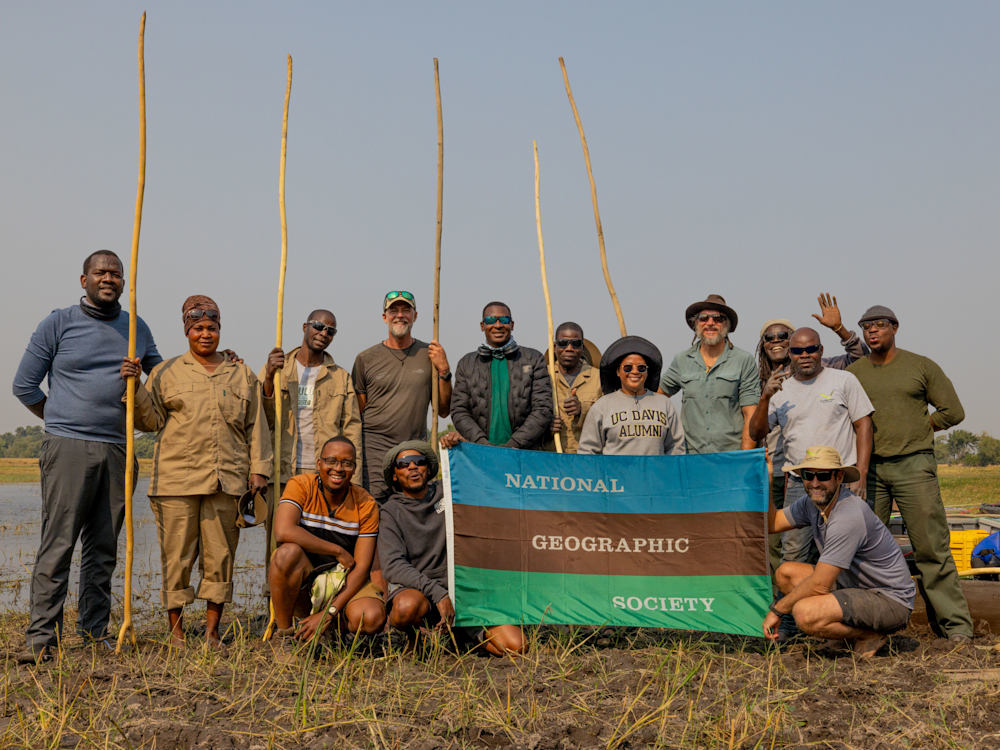
Since 2015, the NGOWP team has completed over 40 expeditions including more than 15 ambitious annual Delta crossings, covering thousands of kilometers on foot, in dug-out mekoro (canoes), on fat-tire bikes, and on motorcycles from the highlands of Angola — where the source waters of the Okavango Delta originate — to the salt flats of the Makgadikgadi Pan, where the waters reach their terminus.
Year after year, they document the Okavango ecosystem like never before, accumulating vast amounts of data to make it available for scientists, policymakers, educators, and anyone else to explore and use. Their work provides an important baseline for this little-known area — and is essential for securing its permanent protection.
Protecting the Okavango River Basin
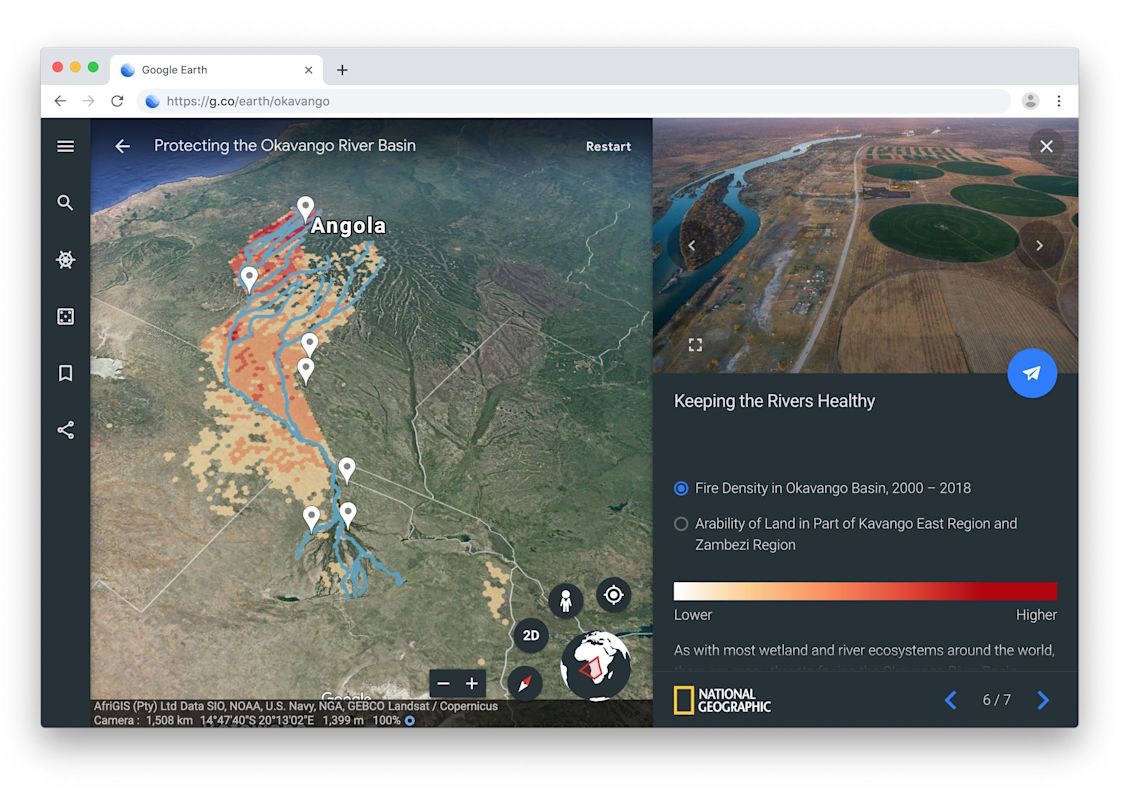
In partnership with Google, National Geographic’s Voyager story uses newly visualized Human Impact data and on-the-ground storytelling from our Okavango Wilderness Project expeditions to show real-world solutions for better protecting natural resources and wildlife.