The Route
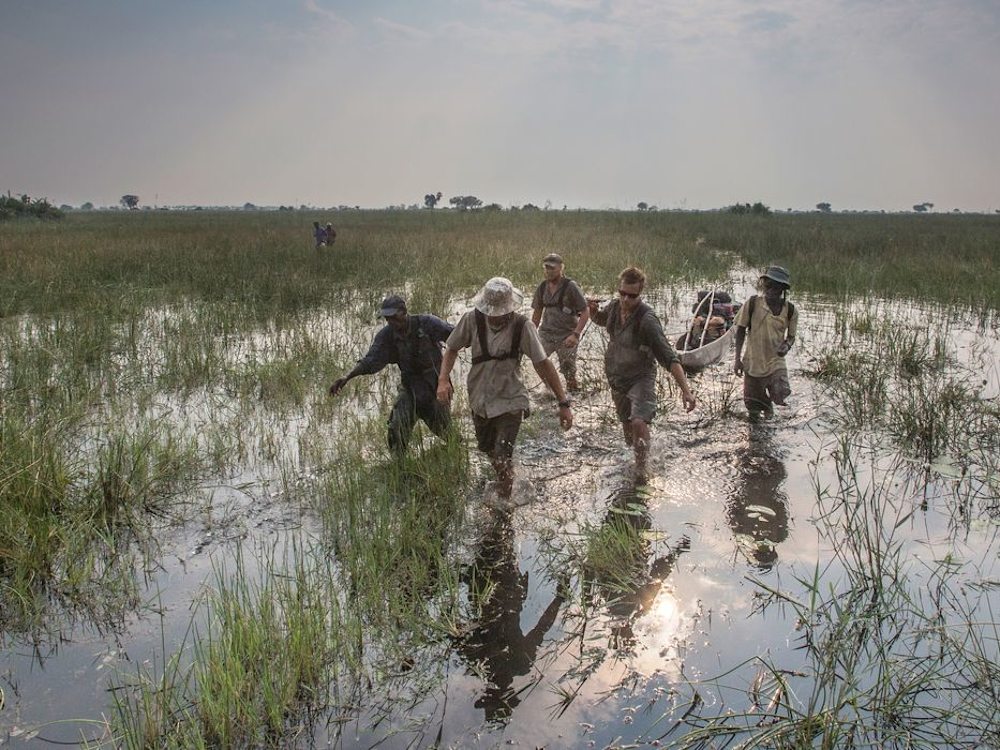
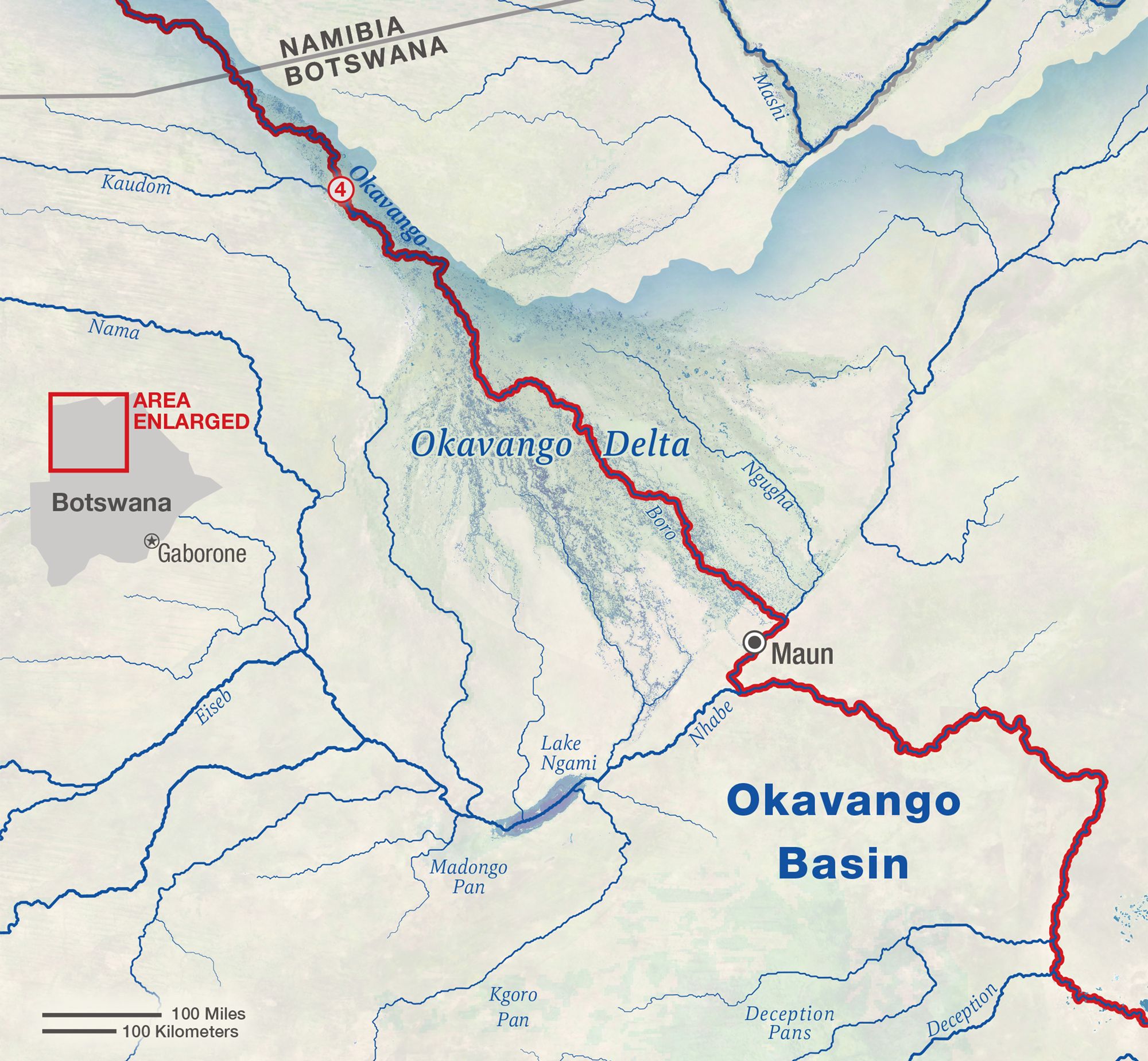
As the slope of the land flattens out in northern Botswana, the water that fell as rain and flowed out of lakes in the Angolan highlands to form the Okavango River slows down. At this point, the water is diverted by small rises in the land, or distracted into following trails pioneered by the massive hippos, buffalos and elephants that make their way through the marshy landscape.
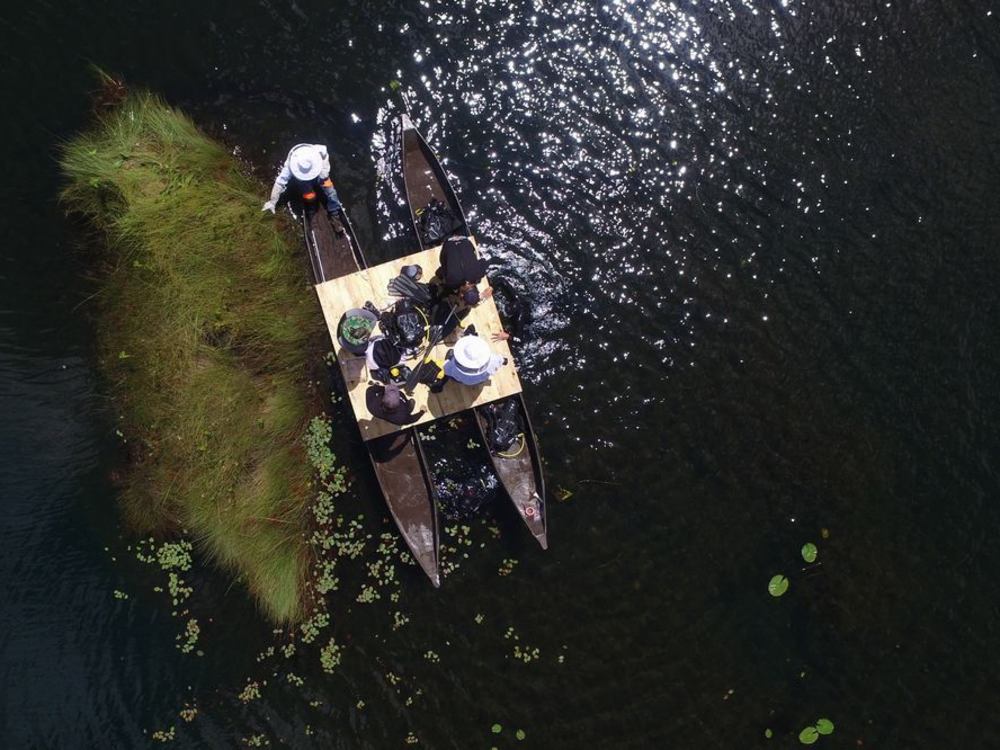
Poling through the shallows — carefully reading cues from the animals that live there — the team once again navigated 340 kilometers (211 miles) north to south, transecting the full length of the delta.
The Mission
In its simplest form, the plan was to follow the river and watch the birds.
The Okavango Delta crossings are NGOWP’s annual check-ups on the health of this remote and wild landscape. Through careful observation of the presence and behavior of birds throughout the wetland, the team is able to read subtle changes to the system. The accumulated data provides a unique record, whose patterns and signals will be teased out for years to come.
On this expedition, Explorer Steve Boyes was joined by fellow National Geographic Explorers Shah Selbe and Jer Thorp, who use innovative technology to record and interpret vast amounts of data on the ecosystem.
This year they deployed a new set of Okavango Delta FieldKits, compact arrays of sensors and transmitters designed by Shah. The kits record weather, water temperature and pH levels and send the data home in near-real time via satellite. Once uploaded, it’s combined with data from all the team’s wildlife sightings, heart-rate monitors, tweets, photos and blog posts, as well as the 360-degree images captured every minute of the expedition.
The Highlights
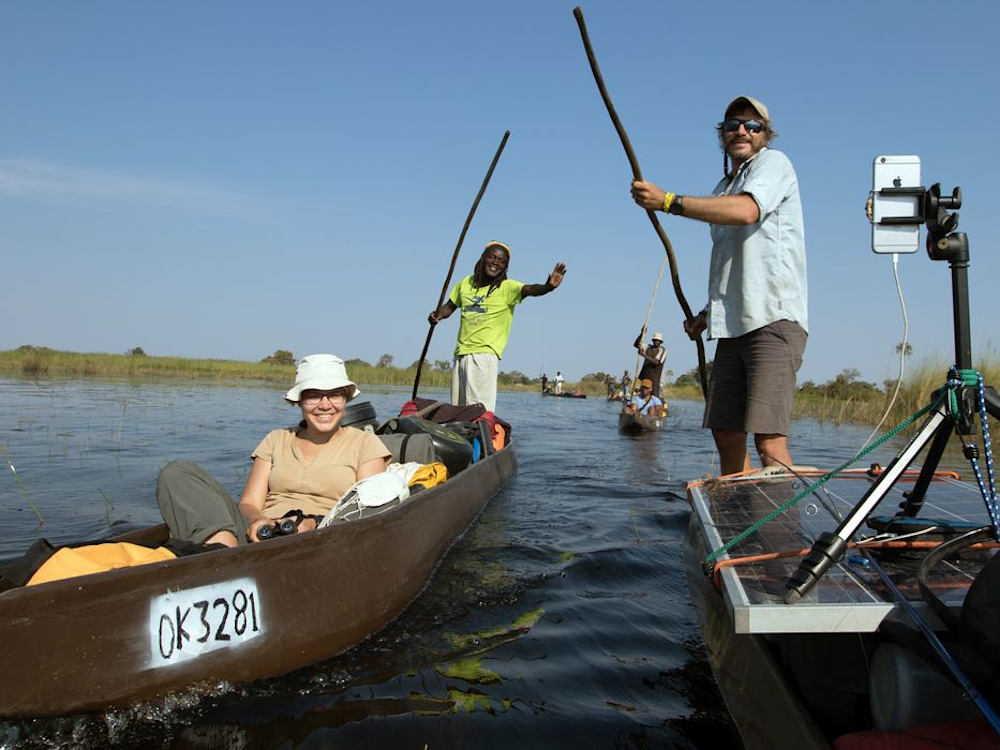
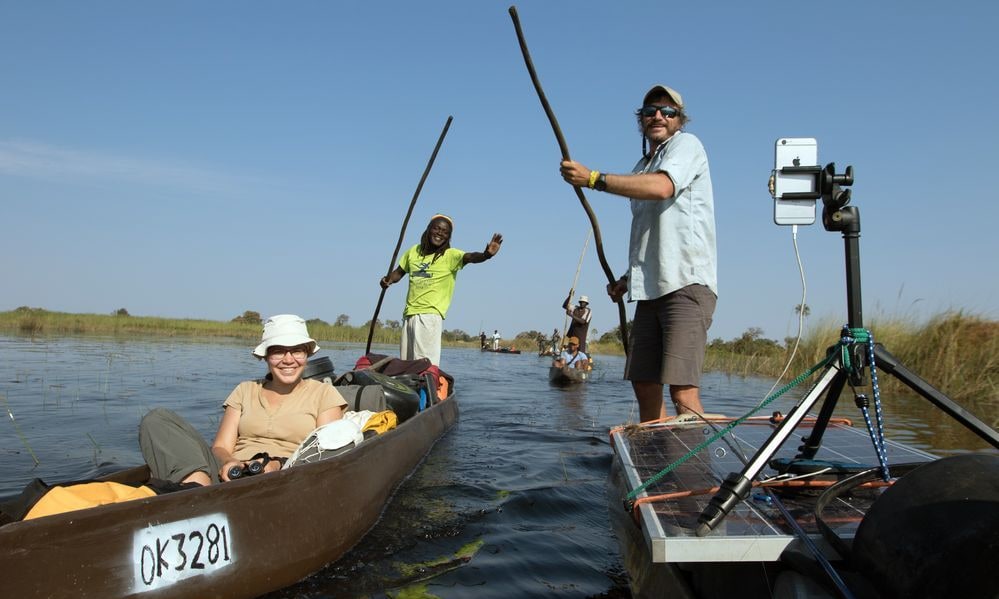
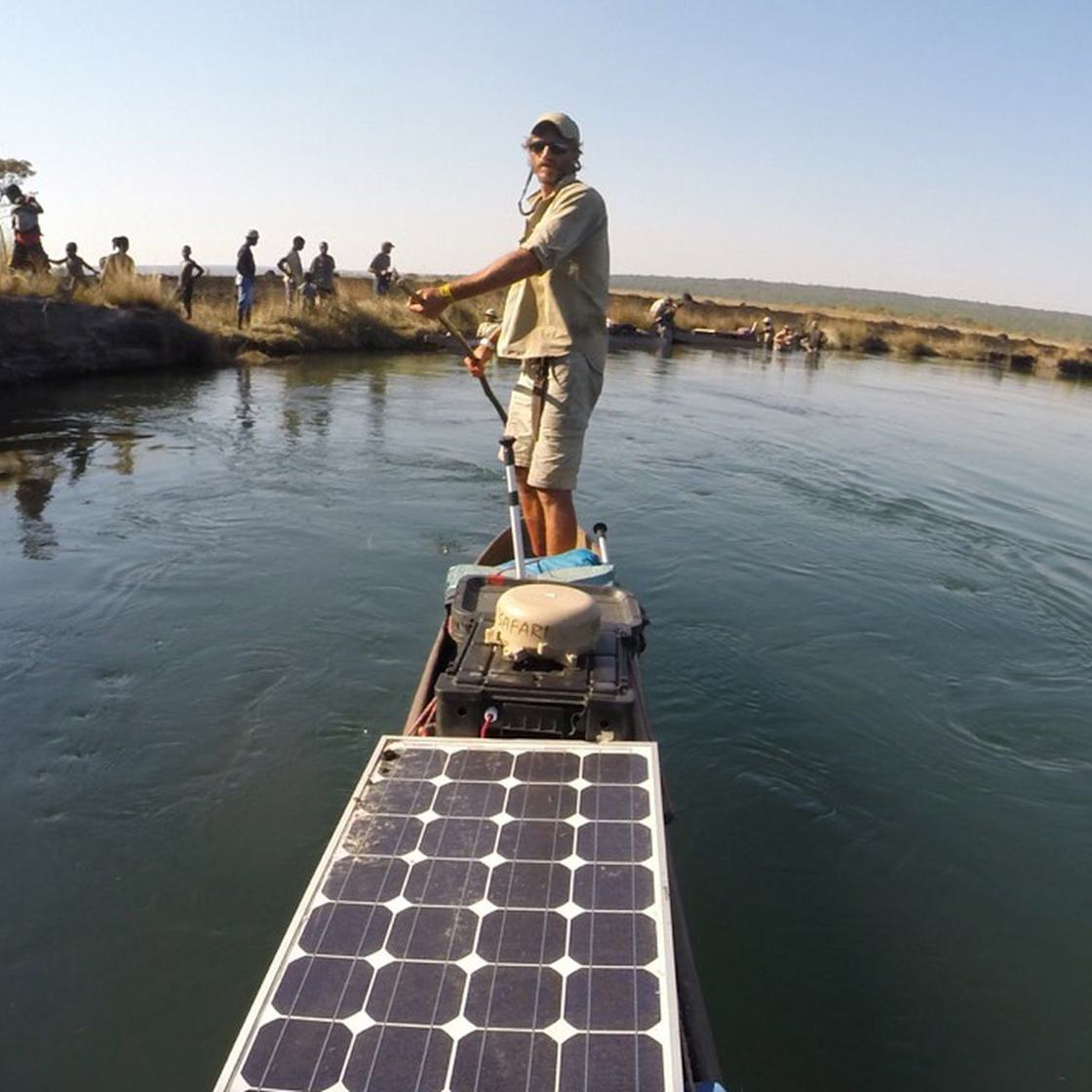
New technology keeps creating new opportunities for data collection and storytelling. A spherical image from the team’s Instagram feed captured this fact as well as the solar panels that keep all of the hi-tech equipment functioning hundreds of miles from the nearest electrical outlet.
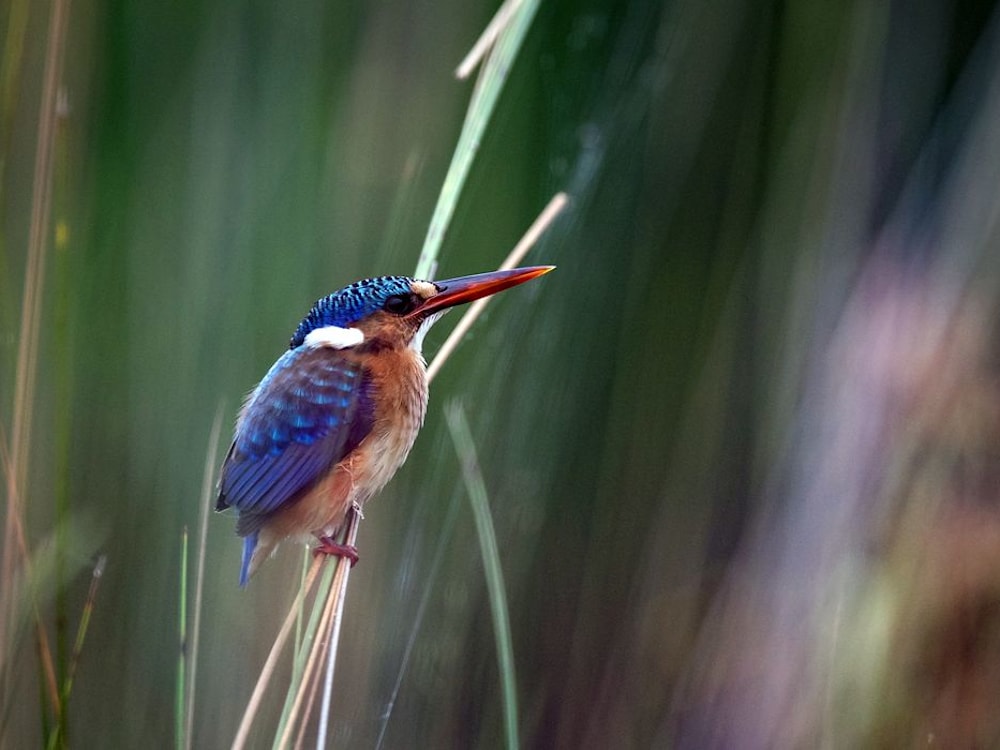
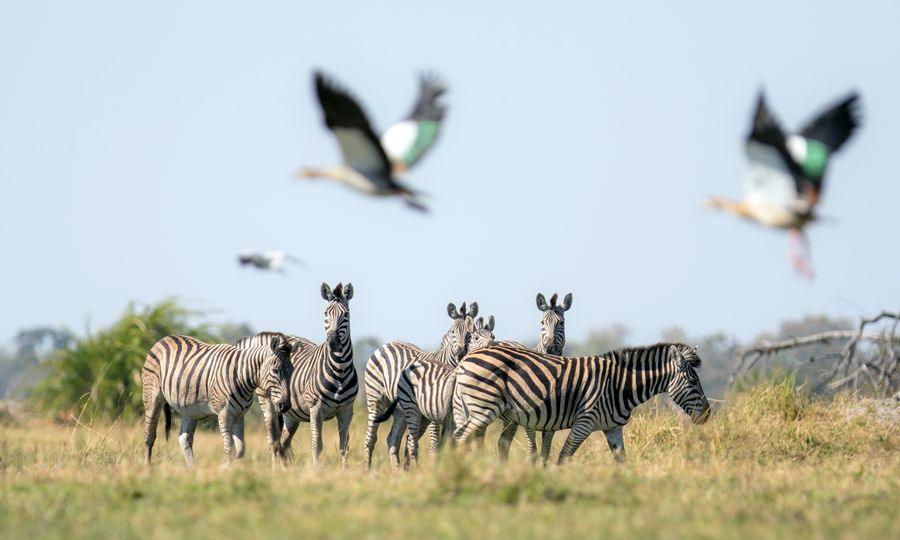
Still, the benefits of old technology are just as deeply appreciated by the team. The small size and silent approach of the mekoro (canoes) once again allowed for close-up observation of skittish and rarely seen creatures, like the colorful African pygmy goose.
Connect with us
NGOWP on Instagram
With a camera in every pocket and solar cells for recharging, the team shared their animal sightings, stunning sunsets and thoughts and reflections in real time throughout the expedition. See it all in their Instagram feed.