Building a Network of Wildlife Corridors to Sustain Life
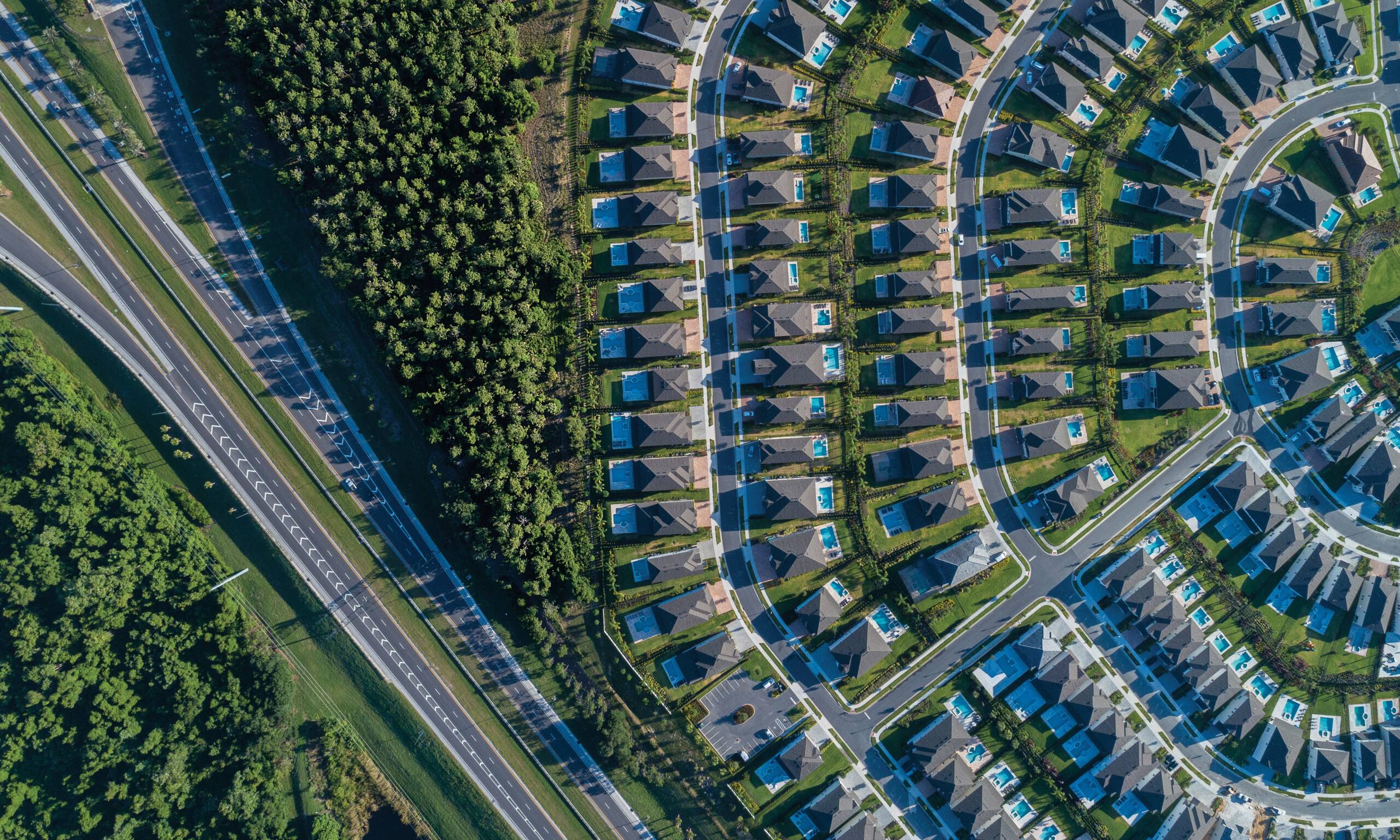
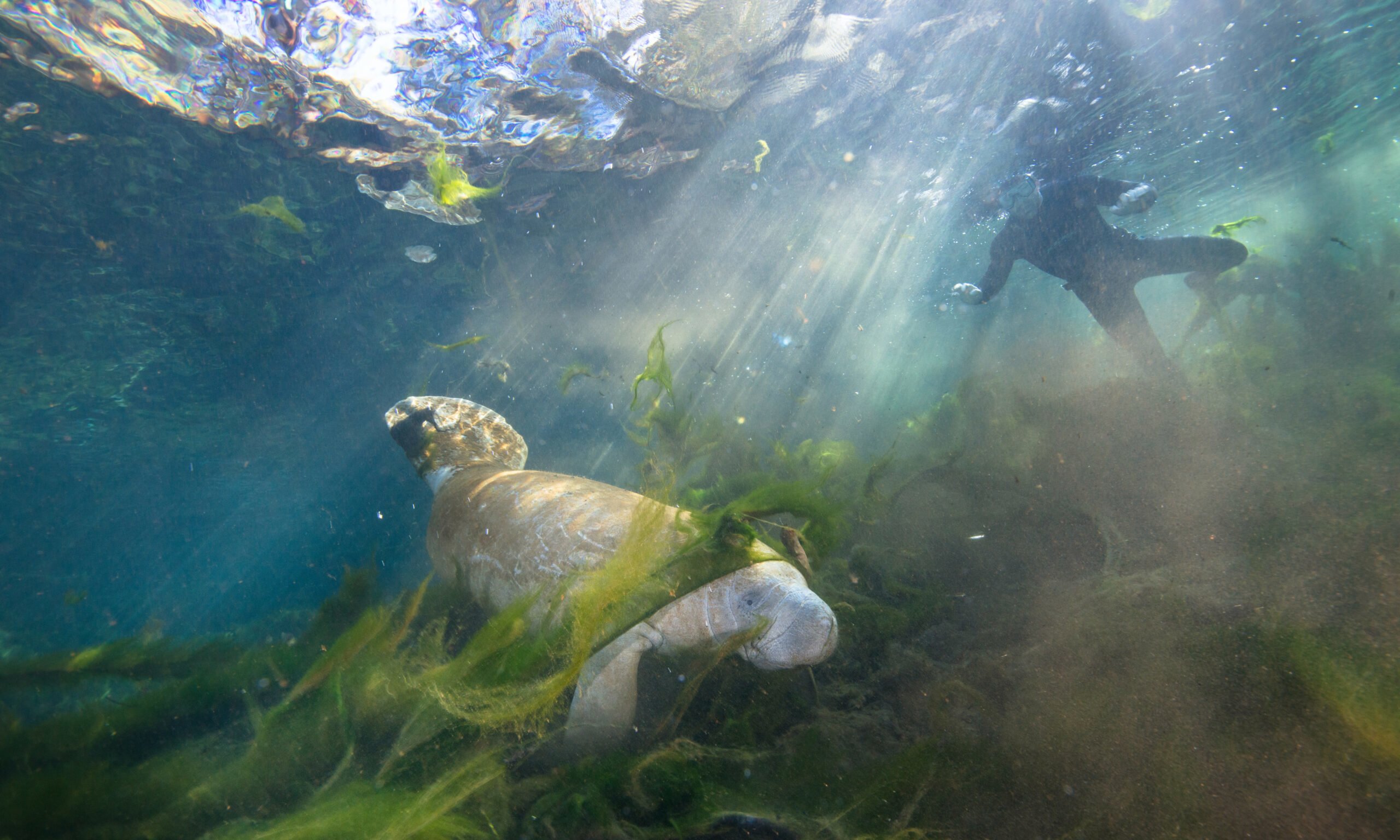
Wildlife corridors are the ecological infrastructure of our planet, linking fragmented habitats across forests, rangelands, farms, tribal lands and oceans. These connections enable species to migrate, adapt and survive amid rapid environmental change — while supporting biodiversity, clean water, climate resilience, cultural heritage and economic stability.
Connected Planet is helping identify, elevate and protect these critical pathways — advancing a global network of connected habitats.

“I believe that wildlife corridors, identified by science and brought to life through storytelling, are the best paths to reconnect and heal our planet.”
Your Support Protects Wildlife Corridors
It keeps forests wide enough for animals to roam, rivers flowing for fish and oceans open for marine life to travel and spawn.
With your help, Connected Planet empowers National Geographic Explorers to use storytelling to inspire the protection of the lands and waters that will sustain wildlife and communities for generations to come.
Featured Project
Florida Wildlife Corridor
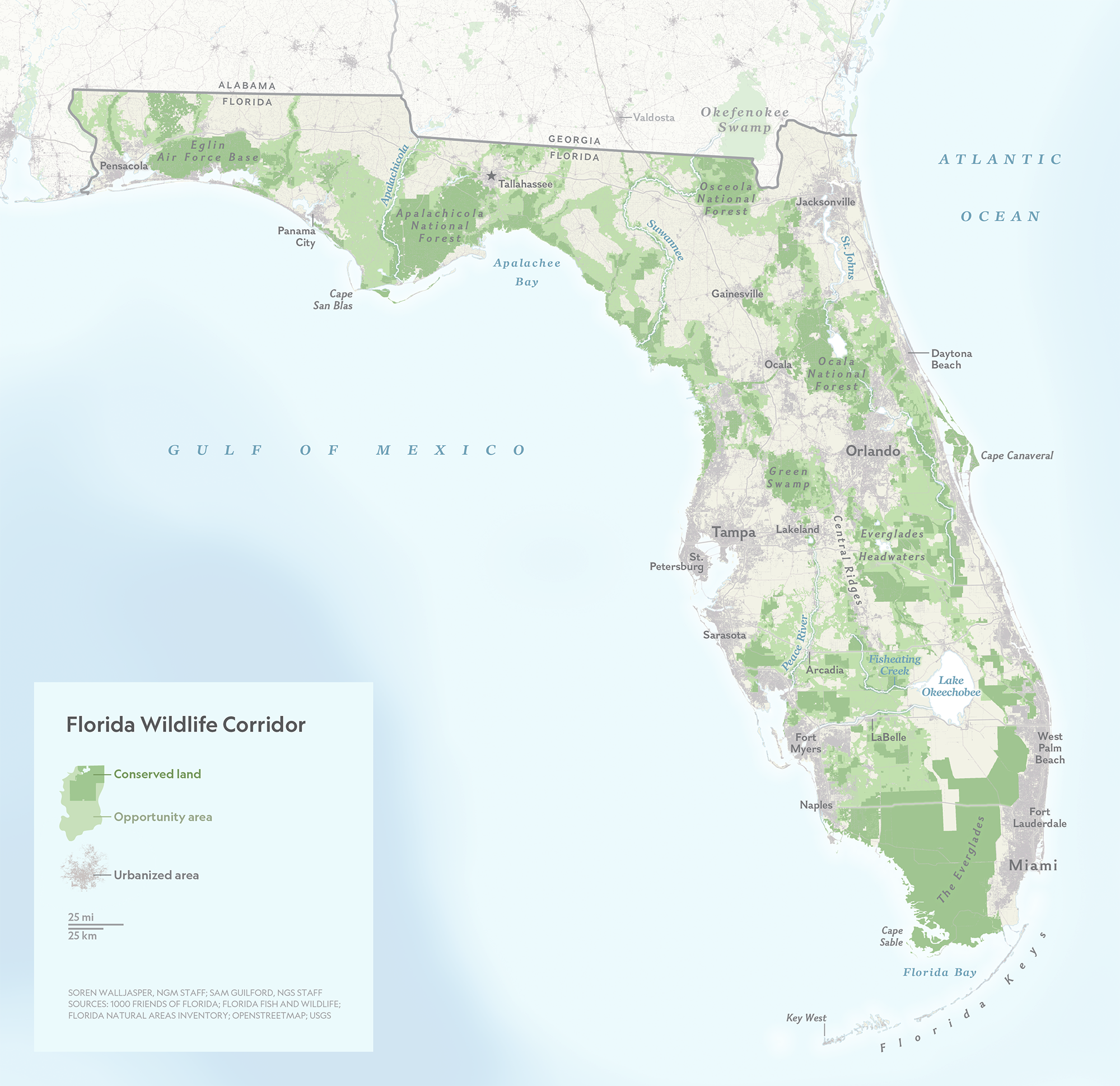
Stretching from the Everglades to the Georgia and Alabama borders, the Florida Wildlife Corridor is one of the most ambitious and successful corridor initiatives in the world.
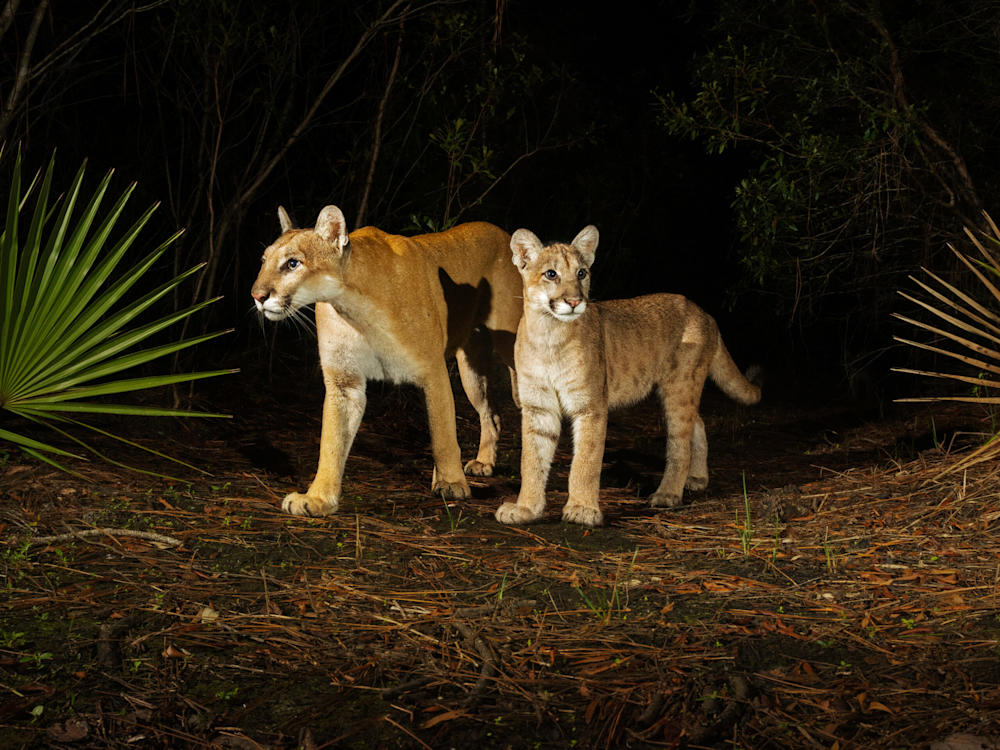
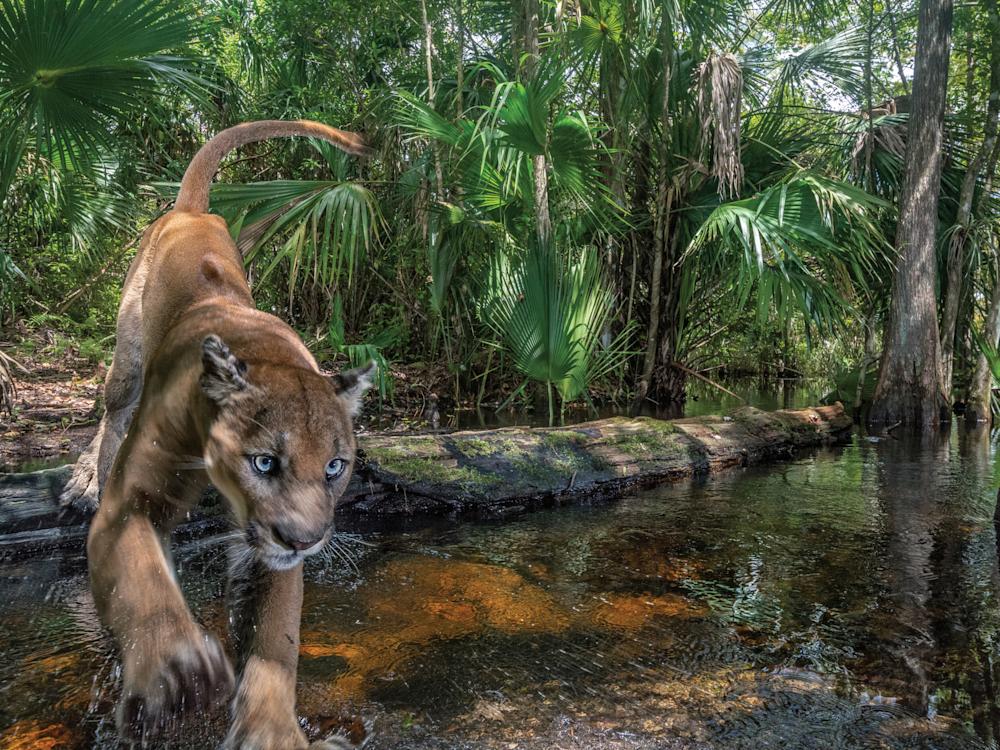
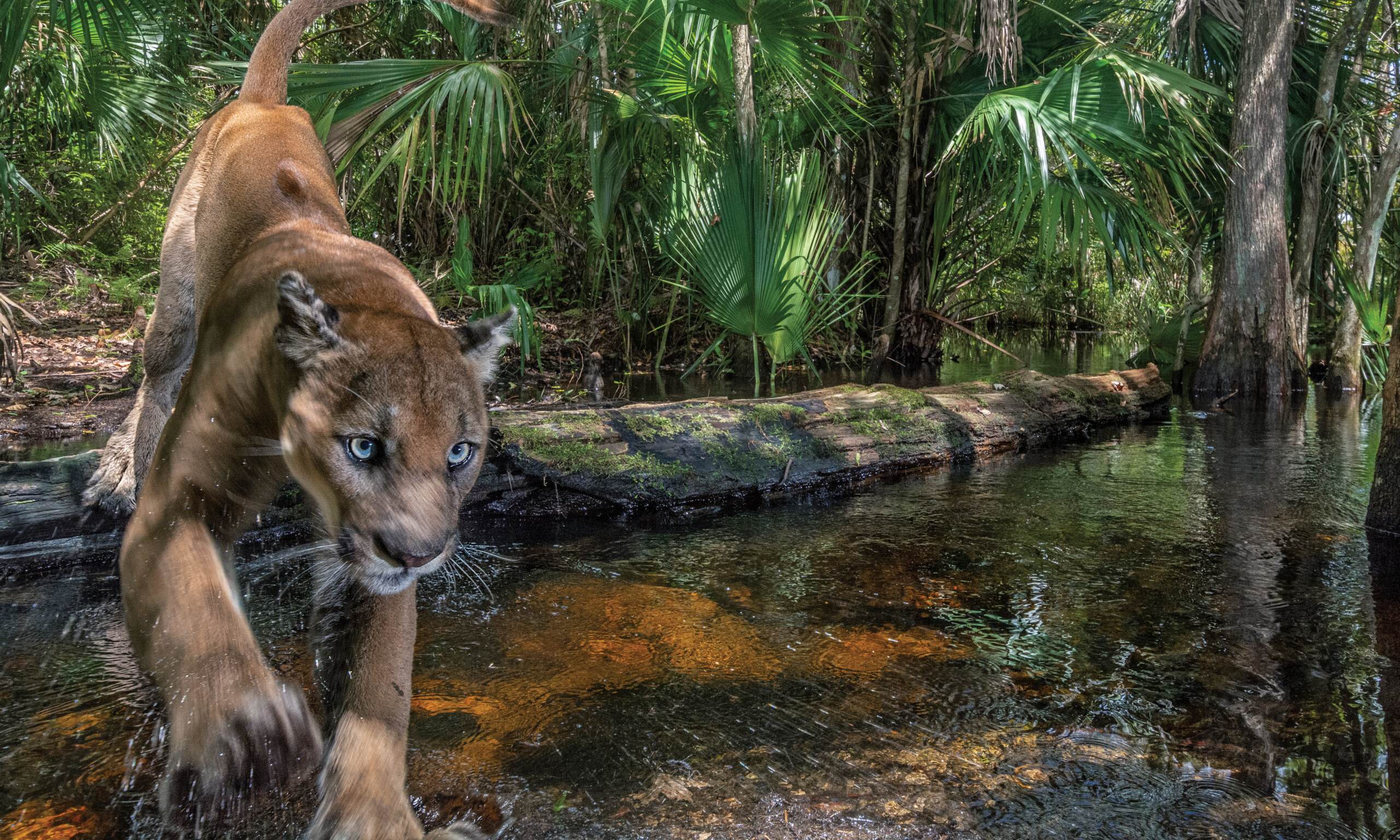
It connects a mosaic of public and private lands — including ranches, forests, wetlands and tribal territories — into a functional network that supports wide-ranging species like the Florida panther, black bear and migratory birds.
But the corridor is more than habitat.
It protects drinking water for millions of people, supports working agricultural lands and preserves a way of life deeply tied to the landscape.
Through storytelling and partnerships, Connected Planet helps bring visibility to the Florida Wildlife Corridor — highlighting both its ecological importance and the people working to protect it.
This model demonstrates what’s possible: that large-scale connectivity can be achieved through collaboration, science and shared vision.
The Promise of a Connected Planet
By advancing a global network of wildlife corridors, Connected Planet contributes to:
- Biodiversity conservation at landscape and seascape scales
- Climate resilience through connected ecosystems
- Protection of cultural and working lands
- Progress toward global conservation goals, including 30×30
Meet the Founder
Carlton Ward Jr.
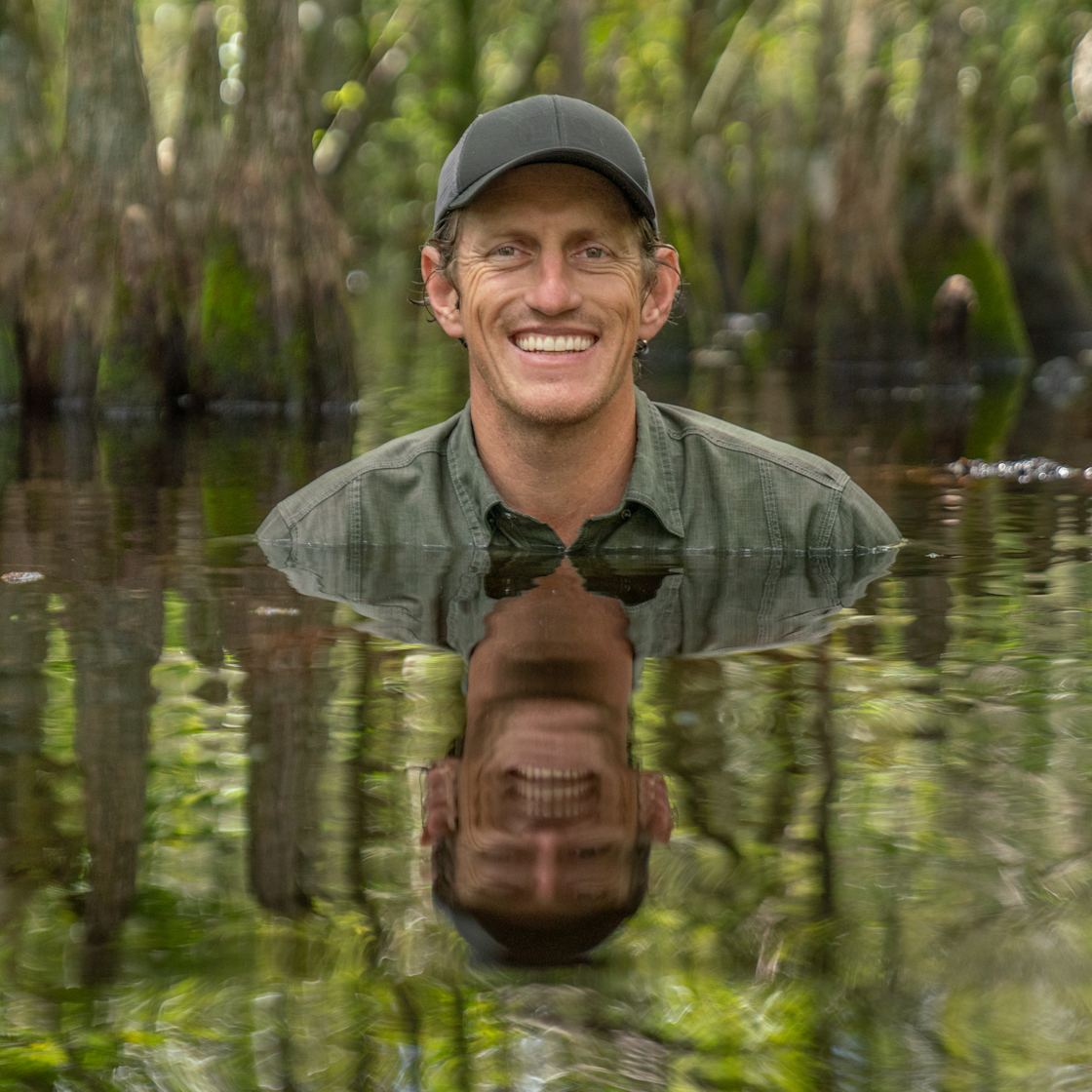
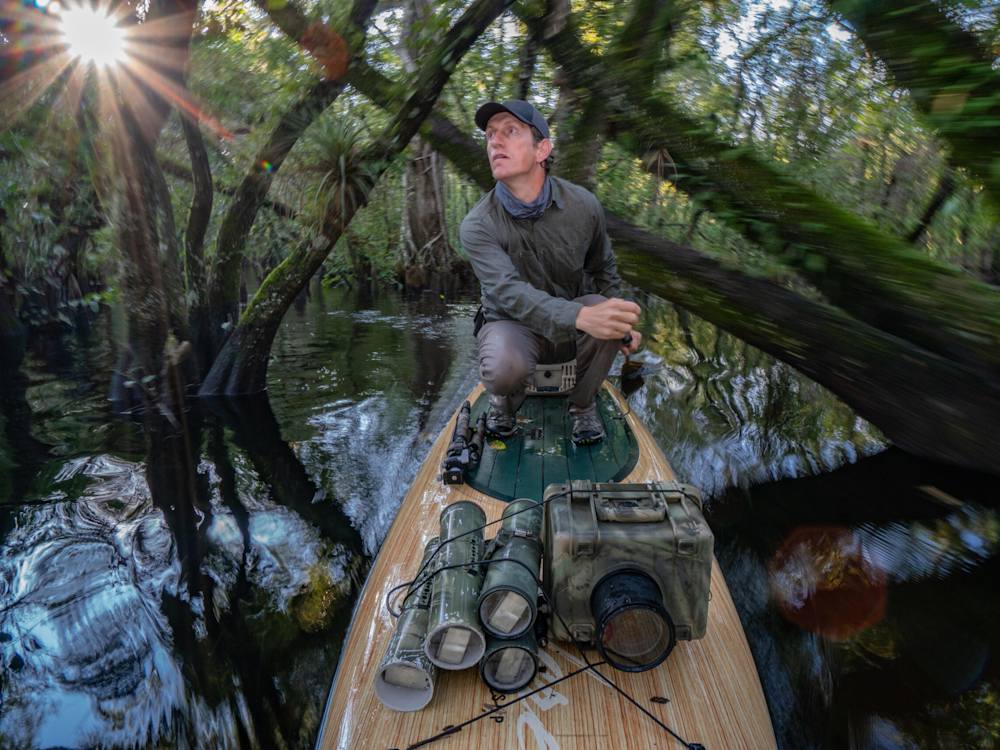
Carlton Ward Jr. is a National Geographic Explorer, conservation photographer and Emmy Award–winning filmmaker. In 2010, he founded the Florida Wildlife Corridor project and later created Wildpath, an organization that uses storytelling to inspire the protection of wildlife corridors. Ward and Wildpath led the campaign for the Florida Wildlife Corridor Act, which passed unanimously in 2021, designating 18 million acres across Florida as a priority for wildlife conservation.
A native Floridian with eight generations of family history in the state, including a ranch that protects part of the corridor, Ward grew up developing a lifelong connection to Florida’s landscapes and wildlife. Today, he is a renowned ambassador for the recovery of the state’s unique wildlife, natural places and cultural heritage.